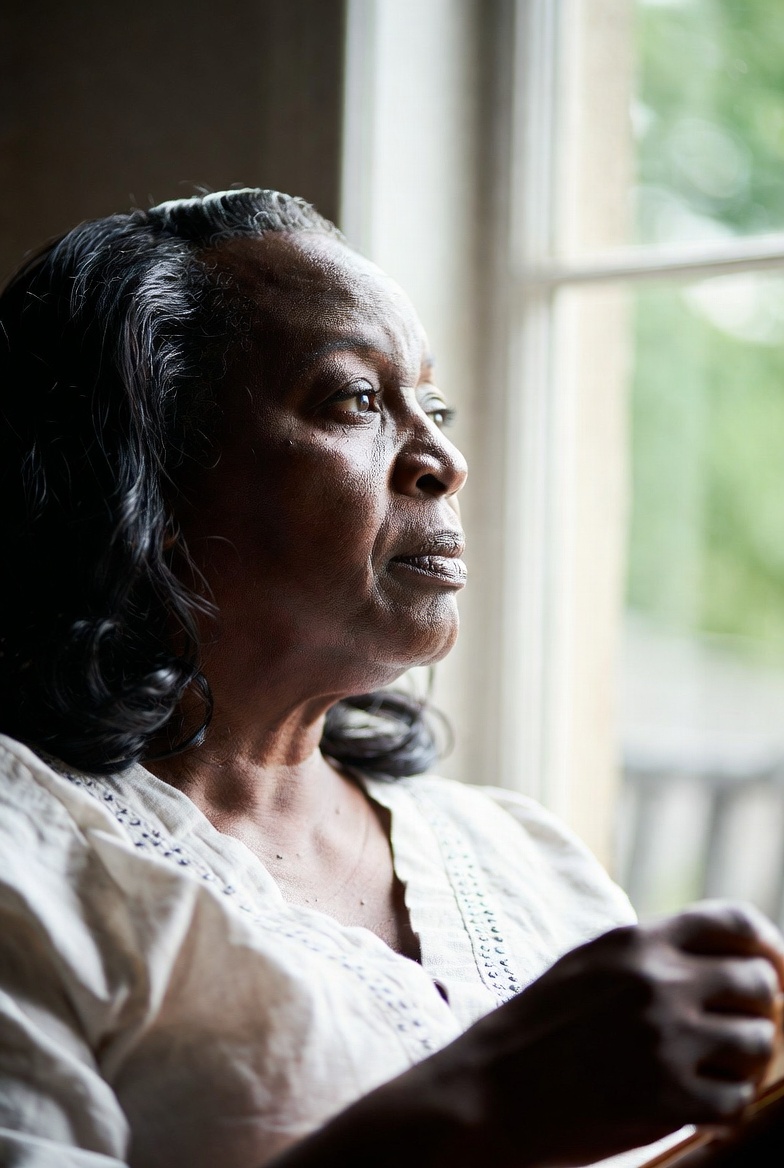
Staying Active as You Age

As the years go by, it is normal for your body to change. You may feel a little stiffer in the morning, get tired more quickly, or worry about falling. It can be tempting to slow down and avoid activity, but gentle, regular movement is one of the best ways to stay independent, strong, and confident as you age.

At Newlands Health, staying active is not about running marathons or joining a gym if that does not fit you. It is about finding simple, enjoyable ways to move your body so you can keep doing the things you love, playing with grandchildren, traveling, gardening, or just walking without fear.

What does “being active” look like?

Staying active does not have to be complicated or intense. Depending on your health and comfort level, it may include:

  • Walking around your neighborhood or inside a mall.
  • Light stretching to keep your joints flexible.
  • Gentle strength exercises using your own body weight, light weights, or resistance bands.
  • Balance exercises, like standing on one foot while holding a chair.

Your doctor can help you choose activities that are safe for your heart, joints, and current level of fitness. Even a few minutes at a time can make a difference.

Why is movement so important as you age?

Regular activity can:

  • Keep your muscles and bones stronger, lowering your risk of falls and fractures.
  • Help control weight, blood pressure, blood sugar, and cholesterol.
  • Improve mood, sleep, and energy, making daily life feel easier.
  • Support brain health and memory over time.

Think of movement as medicine you give yourself every day. It does not have side effects like a pill, but it can help many parts of your body at once.

How to get started safely

Before you change your routine in a big way, it is a good idea to talk with your doctor, especially if you have heart disease, joint problems, or other chronic conditions. You can prepare by:

  • Thinking about what types of movement you enjoy or used to enjoy.
  • Noting any pain, shortness of breath, or dizziness you have felt with activity.
  • Setting a small, realistic goal, like walking 10 minutes three days a week.

During your visit, you might ask:

  • “What kind of exercise is safe for me right now?”
  • “How often should I move each week, and for how long?”
  • “Are there exercises I should avoid because of my joints or heart?”

At Newlands Health, your activity plan is personalized. Your doctor will work with you to build a routine that respects your limits, fits your schedule, and grows with you over time. The goal is not perfection, it is helping you stay strong, steady, and active so you can enjoy life at every age.


Managing Stress and Protecting Your Mental Health

Modern life can be demanding. Work, caregiving, finances, and constant digital noise can leave you feeling stretched thin. It is common to think you should “just handle it,” but your mental health is as important as your physical health.

At Newlands Health, visits are a safe place to talk about how you are really feeling. Your mood, stress, and worries matter because they affect your sleep, your relationships, and even your blood pressure and pain levels.

What happens when you talk about mental health?

A mental health check-in can be part of any visit. Your doctor may:

  • Ask about your sleep, energy, and appetite.
  • Talk with you about your mood, anxiety, and how you are coping with stress.
  • Ask gentle questions about thoughts of hopelessness or self-harm, if needed.
  • Discuss how your physical health conditions and medicines may be affecting your mood.
  • Offer screening questionnaires for depression or anxiety.

You do not have to have all the right words. You can simply say, “I don’t feel like myself,” or “I feel overwhelmed lately,” and your doctor can guide the conversation from there.

Why bring up mental health with your doctor?

Stress, depression, and anxiety can be treated, but many people suffer in silence. Talking to your doctor can:

  • Help identify if what you are feeling is stress, burnout, depression, anxiety, or something else.
  • Connect you to counseling, medication, or community resources that fit your needs.
  • Prevent problems from worsening and affecting work, relationships, or physical health.

You do not have to wait until things feel unbearable. Early support can make a big difference.

How to prepare to talk about stress

Before your visit, you might reflect on:

  • How long you have been feeling this way.
  • What makes your symptoms better or worse.
  • Whether you have lost interest in activities you usually enjoy.

During the appointment, you can say:

  • “I think my stress is affecting my body can we talk about that?”
  • “What options do I have to start feeling better?”

At Newlands Health, your emotional well‑being is part of your whole health. Your doctor is here to listen without judgment and to work with you on a plan that respects your values, culture, and daily life.


Caring for Your Heart Every Day

Your heart works for you every moment of every day, often without you thinking about it. Because heart disease develops slowly, it is easy to ignore small signs or delay making changes. But the steps you take now can protect your heart for decades.

At Newlands Health, heart care is not only about treating disease. It is about helping you understand your risks, make realistic changes, and feel confident that you are doing what you can to stay healthy.

What happens at a heart health visit?

A heart-focused appointment looks at your overall risk, not just one number. Depending on your needs, your visit may include:

  • Checking your blood pressure, pulse, weight, and waist measurement.
  • Reviewing your medical history, including diabetes, high cholesterol, or past heart problems.
  • Talking about smoking, alcohol use, exercise, and nutrition.
  • Ordering blood tests for cholesterol, blood sugar, or other markers if needed.
  • Discussing whether you need an EKG or other heart tests.

You are welcome to talk about symptoms such as chest discomfort, shortness of breath, swelling in the legs, dizziness, or unusual fatigue. Even if you are not sure they are related to your heart, it is important to mention them.

Why focus on heart health early?

Heart disease is a leading cause of illness, but most risk factors are preventable or treatable. Checking in early can:

  • Catch high blood pressure or cholesterol before they damage your arteries.
  • Help you set goals for weight, movement, and nutrition that fit your lifestyle.
  • Reduce your chance of heart attack, stroke, and other serious problems.

Small daily choices—like what you eat, how you move, and how you handle stress—add up over time. A heart health visit helps you turn those choices into a plan.

Simple steps to protect your heart

Before your appointment, think about:

  • How many days a week you move your body, even with light activities like walking.
  • What a typical day of eating looks like for you.
  • Any barriers you face, such as time, pain, or lack of energy.

During the visit, you can ask:

  • “What is my risk for heart disease?”
  • “What is one small change I can start with this month?”

At Newlands Health, heart care is not about perfection. It is about progress—one step at a time, with a doctor who understands your challenges and celebrates your wins.


How to Break Free from Obsessive-Compulsive Disorder

Imagine a relentless loop of unwanted thoughts and fears, like a shadow that never leaves your side. Obsessive-compulsive disorder (OCD) is not just about being a neat freak; it’s a silent tormentor that can hijack your mind, leaving you trapped in rituals and distress.

The Vicious Cycle

OCD weaves a cruel cycle of obsessions and compulsions. Obsessions are intrusive thoughts, the kind that haunt you when you’re trying to focus on anything else. They have themes, like contamination fears, doubt, the need for order, or even disturbing thoughts about harm. These thoughts aren’t just a nuisance; they’re an uninvited guest overstaying its welcome.

Obsession Signs

Imagine being afraid of touching objects others have touched, fearing you forgot to lock the door, or feeling intense anxiety when things aren’t in perfect order. These are just some of the signs of OCD’s obsessions. It can even plague you with unwanted thoughts of aggression or inappropriateness, creating a constant mental storm.

Compulsions: The Escape Route

Compulsions are the rituals people with OCD use to quell the anxiety brought on by their obsessions. These behaviors might seem odd to others, like excessive hand-washing, repeatedly checking locks, or counting in specific patterns. These rituals offer a fleeting escape from the grip of anxiety, but no real pleasure.

When Compulsions Take Over

The rituals can become all-consuming. Imagine washing your hands until your skin is raw or checking the stove dozens of times, even when it’s off. OCD’s compulsions can rule your life and steal your time.

The Lifelong Struggle

OCD often begins in youth but can affect anyone. Symptoms can vary in intensity, and the types of obsessions and compulsions may change over time. Stress tends to make things worse, and for some, OCD becomes severely disabling. It’s a lifelong battle.

Seeking Help

If OCD is affecting your life, don’t suffer in silence. There’s a difference between perfectionism and OCD. It’s not about having things in order or wanting things clean; it’s about being trapped in a cycle of anxiety and compulsion.

Reach out to a doctor or mental health professional. There’s hope for breaking free from OCD’s chains, a chance to regain control of your life, and find relief from the relentless thoughts and rituals that have held you captive for too long. You’re not alone in this fight, and there is help available.

A Lifeline of Hope: 988

In a year filled with challenges, one change emerged as a glimmer of hope: the introduction of the National Suicide Prevention Lifeline, now accessible via the simple, three-digit code – 988.

For those who have battled the depths of despair, 988 is a lifeline to safety. It stands as a beacon of light for anyone in the throes of a mental health crisis, akin to the trusted 911 for emergencies.

When you dial 988, you’re not just making a call; you’re reaching out to a lifeline of compassion and understanding. Trained crisis counselors stand ready, eager to listen, to empathize, and to guide you through the darkest of moments.

Dr. Miriam Delphin-Rittmon, the administrator of the US Department of Health and Human Services’ Substance Abuse and Mental Health Services Administration, explained, “One of the goals of 988 is to ensure that people get the help they need when they need it, where they need it.”

When you call 988, you’re not alone. A compassionate crisis counselor will engage in a conversation about your experiences, offering a lifeline of hope. And if the situation calls for it, they’ll connect you with a local mobile crisis team.

In a world where despair can sometimes seem insurmountable, 988 is a reminder that help is just a phone call away. It’s a beacon of hope that says, “You matter, and there is help available.” In a year marked by challenges, the addition of 988 stands as a powerful testament to our collective commitment to support and save lives.

How to stop a panic attack

Imagine this: You’re sailing through life’s calm waters when, out of nowhere, a storm of panic engulfs you. Your heart races, and a suffocating grip tightens around your chest. It feels like the world is closing in. Panic attacks, these emotional tempests, can be overwhelming, but they don’t have to rule your life.

Step 1: Embrace Your Vulnerability

Start by acknowledging that it’s okay to feel vulnerable. Panic attacks are not a sign of weakness; they’re a natural response to life’s challenges. Allow yourself to accept them without judgment.

Step 2: The Breath of Serenity

In the midst of the storm, your breath is your anchor. Take slow, deliberate breaths, as if you’re inhaling the serenity of a tranquil garden. Inhale deeply through your nose, count to four, and exhale gently through your mouth. This rhythmic breathing creates a refuge of calm amid chaos.

Step 3: Connect with the Present

Ground yourself in the present moment. Name five things you can see, four things you can touch, three things you can hear, two things you can smell, and one thing you can taste. This sensory immersion brings you back to the here and now.

Step 4: Challenge Your Thoughts

Confront those irrational thoughts head-on. Ask yourself, “Are these thoughts based on reality or my fears?” Often, you’ll find that panic’s grip loosens when exposed to the light of reason.

Step 5: Embrace Healing Humor

Humor can be your ally in the battle against panic. Start telling yourself a gentle, comforting joke. Laughter, even in the face of adversity, has the power to soothe the soul and ease the tension.

Step 6: Retreat and Recharge

If panic persists, consider excusing yourself for a brief respite. A solitary walk can offer a moment of solace and reflection, allowing you to regain your emotional footing.

Remember, panic attacks are like thunderstorms; they pass. They are a testament to your strength, your courage, and your resilience. This emotional journey is about embracing your vulnerability and emerging from the tempest stronger, wiser, and more compassionate towards yourself.

As you navigate this path, know that you are not alone. Reach out to loved ones or a trusted therapist who can provide support and guidance. Together, you will weather the storms of panic, and in their wake, you will discover a deeper connection with yourself and a newfound sense of calm.

Navigating the Storm: Your Guide to Handling Stress

Stress – a word that often feels like an unwelcome intruder in our lives. It’s that relentless storm that can leave us feeling overwhelmed, adrift, and struggling to find our way. But what if I told you that within this tempest lies the opportunity for growth, resilience, and a more profound understanding of yourself?

The Acceptance: Our journey begins with acceptance. Stress is not a sign of weakness; it’s a natural response to life’s challenges. Like the rain that waters the earth, stress can nourish our personal growth if we learn to embrace it.

Breathing Through the Storm: Imagine stress as a turbulent sea. In the midst of this tempest, the simple act of mindful breathing is your anchor. Inhale courage, exhale tension. These breaths create a space for clarity and reflection amid the chaos.

Seeking Shelter in Connection: You don’t have to navigate the storm alone. Reach out to friends, family, or a trusted therapist. Sharing your burdens can be like finding shelter in the company of kindred souls.

Turning Stress into Fuel: Stress, like fire, can either consume or empower. By channeling it into positive actions, we can transform it into a driving force for change. Whether it’s tackling a challenging project or adopting a new hobby, use stress as your fuel for growth.

The Compassion Within: Amidst the turmoil, don’t forget to be kind to yourself. You’re doing the best you can. Self-compassion is the lighthouse that guides you through the darkest nights.

Steering Your Course: In this stormy sea of stress, you are the captain of your ship. While you can’t control the weather, you can choose how to navigate it. Respond to stress with patience, love, and resilience.

Handling stress is not about banishing it; it’s about learning to sail through it. It’s a journey that transforms adversity into strength and uncertainty into wisdom. Embrace the storm, knowing that it’s a catalyst for growth. With these tools, you’ll not only weather life’s storms but emerge from them stronger and more resilient than ever before.

So, my friends, let’s embark on this transformative journey through stress, confident that within the tempest, we find the path to our most resilient, courageous, and empowered selves.

“Unmasking the Clean Eating Myth: Your Bones Deserve Better!”

Let’s face it, we’ve all dreamed of shedding those extra pounds at some point. But here’s a truth bomb – not all diets are your best pals. Take clean eating, for example. It’s been hyped up like the holy grail of diets, but is it really all it’s cracked up to be? Well, gather ’round because we’re about to spill the beans, and it’s not just about losing weight; it’s about empowering your bones!

So, there I was, introduced to clean eating like it was the greatest thing since sliced bread by a friend. But curiosity got the best of me, and I dove into some research. Lo and behold, clean eating might not be the health miracle we thought, especially when it comes to our bones. The National Osteoporosis Society dropped a bombshell – young folks going all-in on strict clean eating could be setting themselves up for a future with bones as fragile as fine china. Shocking, right? We’re talking about around three million young adults risking osteoporosis later in life by giving the boot to foods packed with essential bone-loving nutrients.

Now, let’s talk clean eating lingo – it’s like a jigsaw puzzle with missing pieces. Some swear by raw foods, others eliminate entire food groups. Critics even argue that our trusty liver does a stellar job detoxifying our bodies, making these diets seem unnecessary.

But here’s where it gets juicy. Clean eaters might be saying sayonara to crucial nutrients like calcium, phosphorus, protein, and vitamin D – the very stuff your bones thrive on, found in dairy, red meat, and carbs. These nutrients are your bone’s BFFs, and depriving them can spell trouble.

Here’s the scoop on bone health: it’s not just about what’s on your plate. Regular exercise, ditching the tobacco, and keeping that weight in check – they’re all part of the bone-loving gang. So, what’s the secret recipe? A balanced diet with a healthy dose of calcium, vitamin D, protein, vitamin K, phosphorus, vitamin C, and magnesium – that’s the ticket!

Now, if you’re thinking of parting ways with dairy, fret not. Nuts, seeds, leafy greens, and fortified dairy alternatives have your back. And when in doubt, bring in the pros – dietitians and nutritionists can dish out customized advice and maybe even supplements.

In a nutshell, let’s put clean eating in its place. Instead of fixating on a vague concept, let’s prioritize nutrient-packed foods and get our bodies moving. Your bones are in it for the long haul, and they deserve some TLC. So, toss the “clean” obsession and embrace a balanced approach that nourishes your body and supports your bones throughout life. You’ve got this!

Man, 35, dies of a heart attack!

You’ve probably heard about that recent incident at Fun Mall in UP’s Lakhimpur Kheri—a 35-year-old guy just heading to catch a movie and suddenly, a heart attack, all caught on CCTV. It’s a stark reminder that life sometimes throws us a curveball when we least expect it.

On social media, we’ve been seeing similar stories—young people collapsing suddenly and, heartbreakingly, not making it. Even the experts are raising their eyebrows, pointing out the increase in these sudden cardiac deaths.

So, what’s the deal with these young hearts? Why are they acting up? Well, there are some common suspects here:

Family History: If your family tree has a few heart-shaped leaves, you might have a heightened risk. Genetics can indeed play a role in heart issues.

Medical Matters: Conditions like diabetes and high blood pressure can seriously mess with your heart’s groove. Keeping tabs on these is crucial.

Lifestyle Choices: If you’re lugging around some extra weight, constantly stressed, and think exercise is spelled with an “ex,” it’s time to reconsider things.

Doctor Visits Matter: We’ve all heard that old saying, “Prevention is better than cure.” Regular check-ups with your doc are like giving your heart a high-five. They can spot issues before they become major drama.

Healthy Living: Eating well, getting off the couch now and then, and finding ways to de-stress can do wonders for your ticker.

But here’s the thing, beyond just seeing your doctor, make sure you’re honest with them. Share your concerns, even the seemingly trivial ones, and discuss your family’s medical history. These details can make all the difference in catching issues early and tailoring your care.

So, let’s learn from these stories, and let’s not wait for life’s curveballs. Visit your doctor regularly, talk openly, and embrace a healthier lifestyle. Your heart, and your future self, will truly thank you for it!

Surviving the Sizzle: How a Concert at Red Rocks Taught Me the Importance of Beating the Heat

I’ve got a blazing story to share that’ll have you on the edge of your beach towel, sunscreen in hand! My expedition into the world of scorching heat began a few years back when my dance crew and I were all set to strut our stuff at a concert hosted in the legendary Red Rocks Amphitheatre. The excitement in the air was palpable as we prepped for the big show, but little did we know, Mother Nature had a fiery twist up her sleeve.

As the sun ascended the sky, the thermometer creeped its way up to a blistering 98 degrees. It was the kind of heat that smothered you like a clingy ex, making even the air feel like it was carrying a few extra pounds. But hey, we were dedicated performers, committed to giving our loyal fans a show they’d never forget, right?

Well, the universe had a different plan for us. The scorching heat was not only sizzling our dance moves but also frying the concertgoers like sun-baked French fries. People in their summer finest were dropping like wilted daisies in the relentless sun. It was a sight straight out of a heatwave horror movie. Folks were keeling over left and right, succumbing to the relentless warmth.

Before we could say “dance fever,” we realized this wasn’t just your average heatwave – it was a full-blown heat crisis. The safety of the crowd and us performers hung in the balance. Amid this sizzling chaos, we had to make a tough call that no one wanted but everyone knew was necessary. The concert had to be called off.

It was a tough pill to swallow. Months of prep, countless rehearsals, and unwavering dedication all came to a screeching halt thanks to Mr. Sunshine’s overenthusiastic appearance. But there was no other choice. The spotlight shifted from dazzling the crowd to ensuring their well-being. It was a bittersweet move, but it was undoubtedly the right one.

As I gazed at the sea of disappointed faces, that day would forever remain etched in my memory as a stark reminder of the very real, life-threatening risks of extreme heat. It wasn’t just a minor inconvenience; it was a danger that could sneak up on anyone, even in the midst of what should’ve been a carefree summer fiesta.

So, what did I take away from this sizzling saga? First and foremost, never underestimate the power of the heat. I can’t stress enough how vital it is to stay hydrated when the mercury starts flirting with triple digits. Water is your trusty sidekick in the battle against the heat. And remember, waiting until you’re parched is like trying to fuel a car when it’s already sputtering. Sip throughout the day to keep your body’s cool factory humming.

When the heatwave waltzes into our lives, it’s essential to be gentle with yourself. Overexertion can lead to heat exhaustion, which is no laughing matter. If you start feeling woozy, queasy, or like you just ran a marathon with a ball and chain, don’t be a hero. Seek some shade, chill out, and your body will thank you later.

Let’s not forget the little tikes! Kids are like heat-sensitive cupcakes; they need extra care. Slather them in sunblock, ensure they’re sipping on water like it’s a juice box party, and never, ever leave them in a hot car – even for a nanosecond. The temperatures inside can skyrocket to “I need an ice cream cone to survive this” levels.

As the heatwave rages on for a few more days, let’s all keep the lessons from that fiery day at Red Rocks close to heart. Stay hydrated, dress like a heatwave fashion icon, and pay attention when your body starts sending smoke signals. When things get too toasty, it’s perfectly fine to take a step back and cool off. After all, your health is the ultimate treasure, even when the summer sun is out to play!

1 2

Search

+