The Marvels of Postbiotics: Your Gut’s Superheroes!

Today, I’m bringing you a scoop of fascinating information that might just change the way you think about gut health. Today, we’re diving into the world of postbiotics, those unsung heroes that work wonders in your belly.

Now, I know what you’re thinking: “Post-what-now?” Don’t worry; it’s not some alien term from a sci-fi movie. Let’s break it down together.

The Basics: What on Earth Are Postbiotics?

Alright, imagine your gut as a bustling city full of tiny inhabitants, each playing a crucial role in maintaining order. Probiotics are like the residents—the good bacteria that keep everything in balance. Prebiotics? Well, they’re the food that keeps these residents happy.

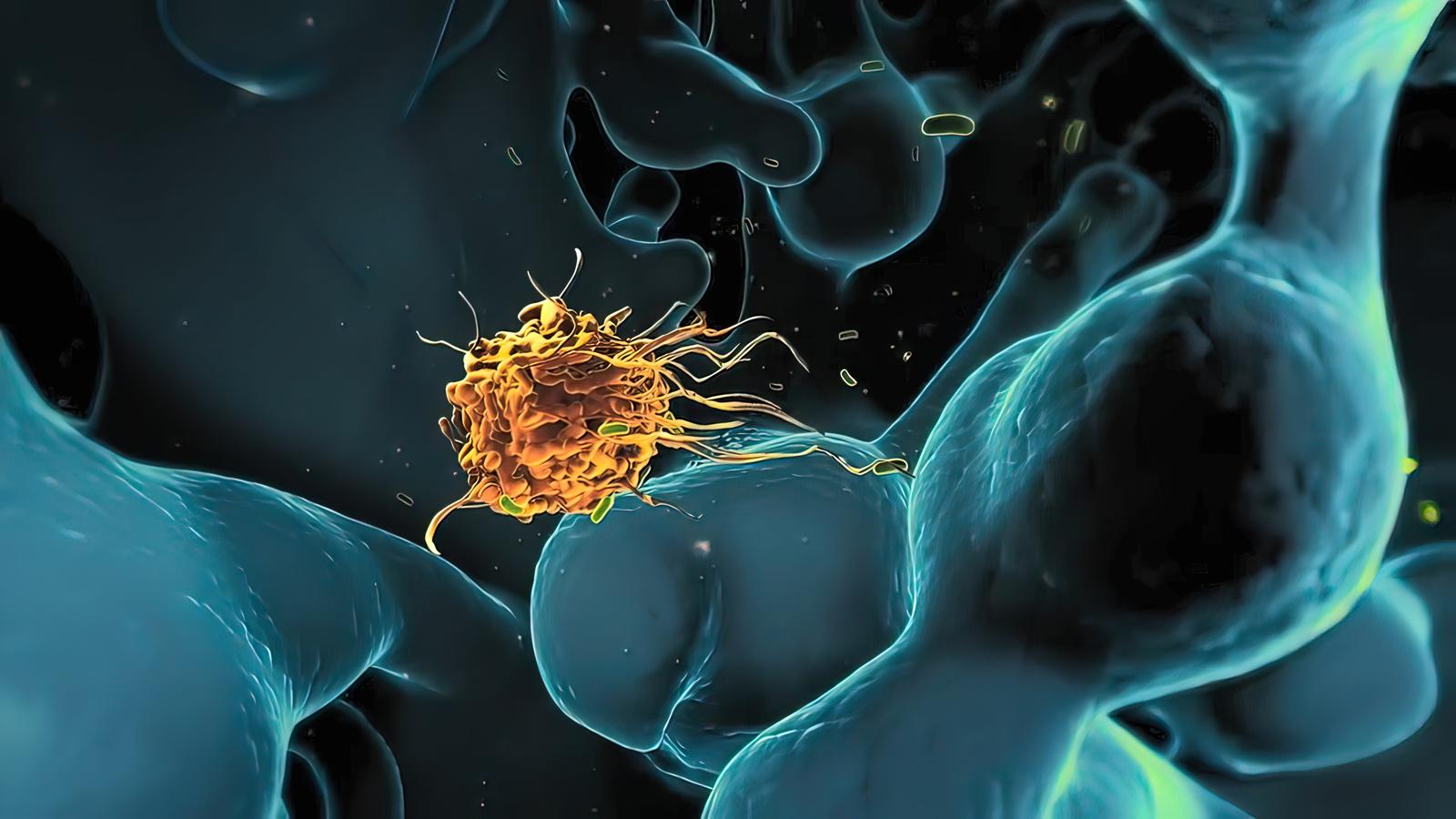
Now, enter postbiotics, the unsung heroes of this microbial metropolis. Postbiotics are the beneficial compounds produced when probiotics chow down on prebiotics. It’s like the gourmet feast that leaves a trail of health-boosting magic behind.

Why Should You Care? Because Gut Health is the Real MVP!

Let’s get personal for a moment. Your gut is not just a digestion powerhouse; it’s the epicenter of your well-being. Imagine it as the control center for your mood, immune system, and overall vitality.

Postbiotics play a pivotal role in this grand scheme. These little champs contribute to a healthy gut lining, which means better digestion and absorption of nutrients. Think of it as your gut’s way of saying, “I got this!”

The Feel-Good Factor: Postbiotics and Mental Well-being

Now, let’s talk about the brain-gut connection. Did you know that your gut and brain are in constant communication? It’s like a dynamic duo, and postbiotics are the secret messengers that keep the lines clear.

Research suggests that a happy gut can positively impact your mood and mental well-being. So, if you’ve been feeling a bit off emotionally, maybe it’s time to give those postbiotics a shoutout.

Postbiotics 101: How to Boost Your Gut’s Superheroes

Alright, you’re sold on the idea of postbiotics, but how do you invite these superheroes into your gut party? Fear not, dear reader, because I’ve got some simple tips to help you amp up your postbiotic game.

  1. Fiber-Rich Feasts: Load up on fibrous foods like fruits, vegetables, and whole grains. These are like the VIP passes for your gut bacteria.
  2. Probiotic Pals: Incorporate probiotic-rich foods like yogurt, kefir, and sauerkraut into your diet. Probiotics are the squad that kickstarts the postbiotic party.
  3. Mindful Eating: Slow down and savor your meals. Your gut doesn’t appreciate being rushed, and a relaxed digestive system is a happy one.
  4. Hydration Nation: Water is the elixir of life, and your gut loves it. Stay hydrated to keep the postbiotics flowing smoothly.

Parting Thoughts: Cheers to a Happy Gut and a Happier You!

So, there you have it, my friends—the lowdown on postbiotics. These unsung heroes are working hard in the background, ensuring that your gut remains a thriving hub of goodness.

Remember, a happy gut equals a happy you. So, let’s raise a virtual toast to postbiotics, the superheroes your belly never knew it needed. Here’s to good health, great vibes, and a gut full of joy! Until next time, stay smiling, stay healthy, and keep those postbiotics dancing in your belly. Cheers!
Embracing the Tapestry of Humanity: Human Rights Day

In the vast expanse of our shared existence, December 10th emerges as a day woven with the threads of justice, compassion, and the collective heartbeat of humanity. Human Rights Day is not merely a date on the calendar; it’s a symphony of emotions, a testament to the enduring spirit of those who have fought—and continue to fight—for the fundamental rights and dignity of every individual.

As we approach this day, let’s embark on an emotional journey, acknowledging the significance of the rights that form the very fabric of our shared humanity. It’s a day to celebrate the triumphs, reflect on the challenges, and renew our commitment to the principles that underpin the concept of human rights.

At its core, Human Rights Day is a reminder that every person, regardless of their background, deserves to live a life free from discrimination, fear, and oppression. It’s a celebration of the resilience of the human spirit, a tribute to those who have paved the way for justice, and a call to action for those of us privileged enough to have a voice.

The emotional resonance of this day lies in the stories of individuals who have dared to stand up against injustice. It’s about the courage of those who have faced adversity with unwavering determination, reminding us that the fight for human rights is not a distant narrative but an ongoing saga that unfolds in the daily lives of people around the world.

As we navigate the emotional landscape of Human Rights Day, let’s confront the reality that, despite the progress made, the struggle for rights persists. It’s a day to amplify the voices of those whose rights are still denied, to shed light on the injustices that persist in the shadows, and to rekindle the flame of empathy that fuels the pursuit of a more just and equitable world.

Social media, community events, and personal conversations become platforms for emotional expression on Human Rights Day. It’s a time to share stories of resilience, to raise awareness about ongoing struggles, and to connect with the shared humanity that binds us all. Through these emotional exchanges, we contribute to a collective consciousness that refuses to turn a blind eye to injustice.

Let’s also use this day as an opportunity for self-reflection. It’s a chance to assess our own roles in promoting human rights, to confront our biases, and to commit to being advocates for change. The emotional depth of Human Rights Day lies in recognizing that our individual actions, no matter how small, contribute to the larger narrative of justice and equality.

In embracing the tapestry of humanity, Human Rights Day invites us to recognize the emotional weight of our shared responsibility. It’s a day to celebrate the victories, mourn the injustices, and rekindle the flame of hope that propels us forward. December 10th is not just a day; it’s a collective call to weave a world where every individual can live with dignity, freedom, and the assurance that their rights will be upheld.

Unveiling the Heart: International Day of Persons with Disabilities

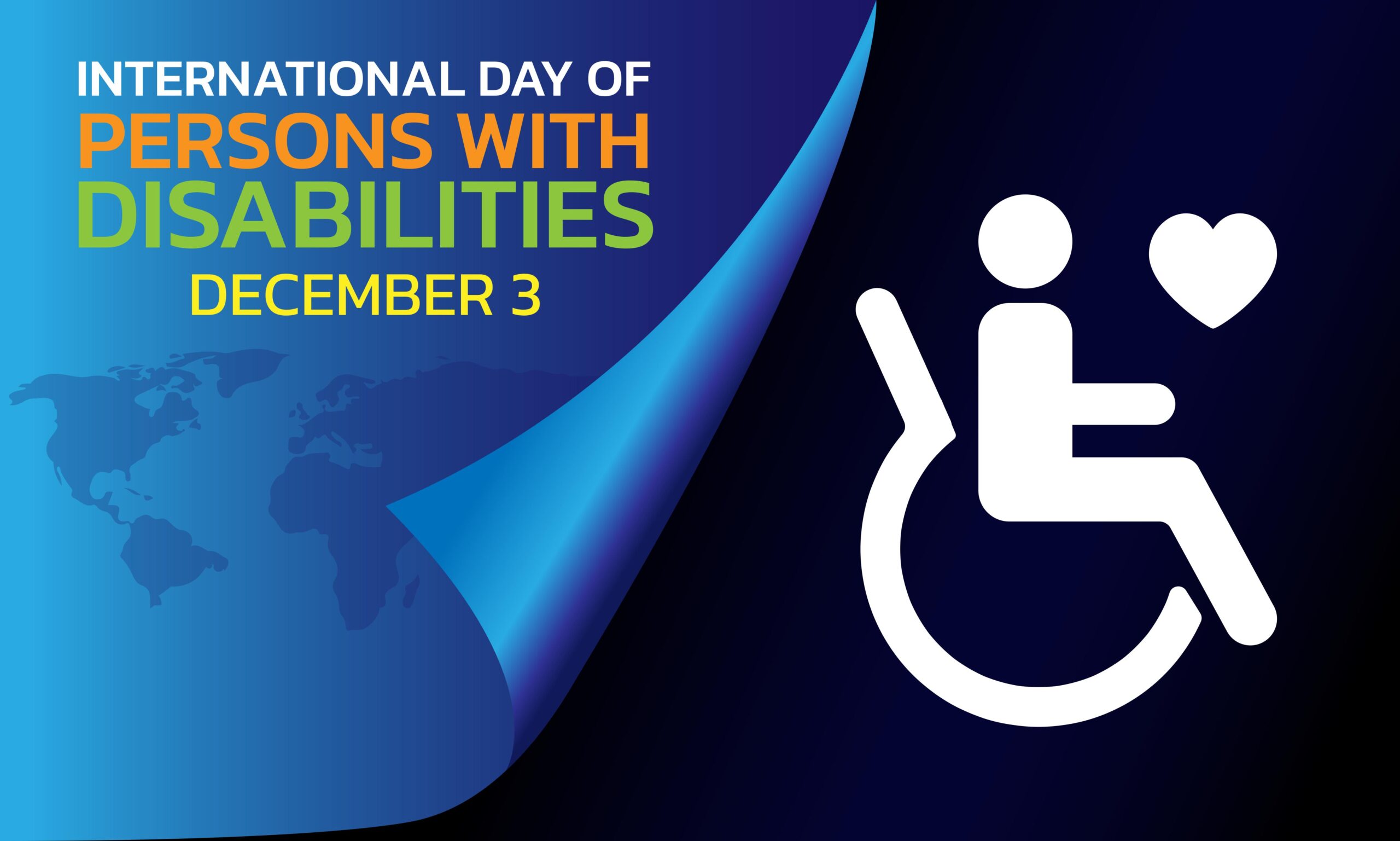
In the tapestry of humanity, each thread contributes to the rich and diverse mosaic of life. As we approach the International Day of Persons with Disabilities on December 3rd, let’s take a moment to unravel the stories of strength, resilience, and untapped potential that often go unnoticed.

This day is not merely a date on the calendar; it’s a symphony of voices, a chorus of emotions, and a plea for understanding. It’s a day to shine a spotlight on the incredible journeys of those living with disabilities—stories etched with determination, courage, and the unwavering spirit to overcome obstacles.

The theme for this year, “Building Back Better: Toward a Disability-Inclusive, Accessible and Sustainable Post-COVID-19 World,” resonates deeply in our hearts. The pandemic has cast a harsh light on the disparities faced by individuals with disabilities, highlighting the urgent need for inclusivity, accessibility, and a world that recognizes the inherent value of every soul.

In the dance of life, education takes center stage. It’s not just about classrooms and textbooks; it’s about the right to learn, grow, and flourish. On this day, let’s open our hearts to the stories of triumph over adversity, stories of individuals who, despite facing obstacles, have emerged as beacons of inspiration and sources of wisdom.

Workplaces, those bustling arenas of dreams and ambitions, need to echo with the melody of inclusion. Imagine a world where talents are recognized without bias, where skills are valued irrespective of physical abilities. By dismantling barriers to employment, we not only uplift individuals but enrich the collective human experience.

This International Day of Persons with Disabilities, let’s use our voices as instruments of change. Social media, community events, and everyday conversations can be platforms to share stories, dispel myths, and foster empathy. By bringing the subject into the light, we dismantle the shadows of ignorance and replace them with the warmth of understanding.

The heart of our communities lies in the spirit of togetherness. By creating environments that embrace diversity, we transform mere spaces into sanctuaries of acceptance. Let’s envision a world where accessibility is not a privilege but a right—a world where every door opens, every path is traversable, and every opportunity is accessible to all.

As we reflect on the International Day of Persons with Disabilities, let’s remember that this awareness is not confined to a single day; it’s a continuous journey. It’s about rewriting the narrative, erasing stigmas, and sculpting a future where everyone, regardless of their abilities, is seen, heard, and valued.

In embracing the heart behind this day, we sow the seeds of compassion, nurture the soil of understanding, and watch as the garden of humanity blossoms into a vibrant tapestry where every color, every thread, is an integral part of the masterpiece of life.

The Invisible Black Man wants to be Seen!

How do you see yourself, Black men? It’s a question worth pondering. The world often casts its own perceptions upon us, and those perceptions can be heavy. But it’s time to recognize your worth, to refuse to be invisible any longer, and to embrace the power of vulnerability and transparency.

The World’s Gaze

The world may see you through a lens that’s been shaped by stereotypes and misconceptions. But remember, you are not defined by those preconceived notions. You are a unique individual with a wealth of experiences, talents, and dreams.

It’s important to challenge the world’s gaze and assert your true identity. You are not limited by anyone else’s expectations or biases.

Recognizing Your Worth

One of the most significant steps you can take is recognizing your own worth. You are valuable, not just to your family and your community but to the world at large. Your contributions, your voice, and your presence matter.

It’s not a sign of weakness to acknowledge your worth; it’s a sign of self-respect and self-love. You deserve all the same opportunities and care as anyone else.

Breaking the Silence

Historically, the idea of vulnerability and transparency has been elusive for many Black men. Society has often expected us to be strong and unyielding in the face of adversity. But it’s essential to understand that vulnerability is not a sign of weakness. It’s a demonstration of courage.

Opening up about our struggles and seeking help when needed is a powerful act of self-care. It’s time to break the silence and share our experiences, both the triumphs and the challenges.

Checking Mental Health

Mental health is a cornerstone of overall well-being. It’s time to check in with yourself and with the Black men around you. How are you feeling? What challenges are you facing? And most importantly, are you prioritizing your mental health?

Taking care of your mental health is not just about you. It’s about the positive impact you can have on your family, your community, and the world. Seeking support from mental health professionals is a sign of strength, not weakness.

Remembering the Youth

Let’s not forget the young Black men, the high schoolers who are navigating a world that can often feel unwelcoming and challenging. They may be struggling silently, believing that there’s no space for them. But we can change that narrative.

Mentoring, supporting, and encouraging young Black men to open up about their feelings and seek help when needed can make a profound difference in their lives.

Conclusion

The message is clear: Mental health is important, and it’s time to talk about it. Black men, you are not defined by how the world sees you. You define yourself. You are worthy of love, care, and support. It’s time to shed the weight of stereotypes and embrace your true self.

You are not alone in this journey. Together, we can create a space where vulnerability is celebrated, mental health is prioritized, and the worth of Black men is recognized and uplifted.

If you want to read more about this topic or need support, don’t hesitate to reach out to Newlands Philly Health at (215) 941-1236. Your journey to embracing your worth and prioritizing your mental health is a powerful one. Remember you are not alone!

Unpacking the Legacy of Racial Trauma

It’s a reality that many Black individuals face: the burden of silent suffering and the weight of emotional suppression. The history of racial trauma, deeply rooted in historical experiences like slavery and ongoing racial discrimination, has left an indelible mark on the mental health of Black communities. This article explores the connection between Black mental health and the coping mechanisms that often manifest as emotional stoicism, as experienced by many, including my own father.

Racial Trauma’s Long Shadow

Racial trauma, also known as race-based traumatic stress, refers to the emotional and psychological impact of experiencing racism and discrimination. It’s not a new phenomenon but one that has persisted throughout history, leaving an enduring imprint on the minds and hearts of Black individuals.

Historical injustices, such as the horrors of slavery, continue to cast a long shadow. These traumatic experiences have been passed down through generations, leaving a legacy of pain and resilience. Black individuals have often had to develop mechanisms to cope with the harsh realities of racism.

The Mask of Strength

One coping mechanism that many Black people employ is the “mask of strength.” This mask is the facade of stoicism, the appearance of emotional invulnerability. It’s the belief that by not allowing oneself to express vulnerability or emotion, the daily encounters with racism, both individual and systemic, won’t inflict as much harm.

I’ve witnessed this in my own father, who, like many Black men, often masked his emotions. He would hide his feelings, disconnecting when he was angry, sad, or upset. The intention was to protect himself and, in turn, his family from the pain of his emotional struggles. It’s a coping strategy born from resilience, but it also comes at a cost.

The Emotional Toll

The suppression of emotions takes a toll on mental health. When individuals hide their feelings, they carry the weight of unspoken pain. Over time, this burden can lead to heightened stress, anxiety, and even depression. It’s a silent struggle that affects not only the individual but also their relationships and overall well-being.

Breaking the Cycle

It’s essential to recognize that the “mask of strength” is a response to systemic racism and oppression. However, it’s equally important to acknowledge that vulnerability and the expression of emotions are not signs of weakness. In fact, embracing our emotions and seeking help when needed is a testament to strength.

By breaking the cycle of emotional suppression, we can promote better mental health within Black communities. Opening up about our struggles, sharing our emotions, and seeking support from mental health professionals are steps toward healing the wounds of racial trauma.

Conclusion

The correlation between Black mental health and racial trauma is undeniable. The historical experiences of oppression, as well as ongoing discrimination, have led many Black individuals to do the “mask of strength” as a coping mechanism. However, it’s crucial to understand that this mask, while born from resilience, can be a barrier to emotional well-being.

In a society that continues to grapple with racial injustices, it’s time to redefine strength. It’s time to acknowledge the emotional toll of racial trauma and encourage open conversations about mental health within Black communities. By doing so, we can collectively work towards healing and breaking the cycle of emotional suppression.

The path to better Black mental health lies in the power of vulnerability, support, and the recognition that we are not alone in our struggles. Together, we can shed the weight of the past and embrace a future of emotional well-being and resilience.

Claiming Mental Health as a Universal Right: A Call to Action for Black Men

Claiming mental health as a universal human right is not just a statement; it’s a call to action. Black men, like everyone else, deserve the right to mental well-being, and for the sake of ourselves, our families, our communities, and society as a whole, it’s crucial that we embrace this right.

In the United States, mental health challenges affect a significant portion of the population, and last year’s survey results, where 9 out of 10 adults recognized a mental health crisis, are telling. Millions of American men grapple with conditions like depression and anxiety, and yet, many are less likely than women to seek the help they need.

Why Don’t Men Seek Help?

This reluctance among men to seek help for their mental health is a complex issue. It often stems from societal expectations that define masculinity in ways that discourage vulnerability. The notion that “real men don’t cry” or that they should be strong and self-reliant can create a barrier to seeking assistance.

Breaking Down the Stigma

To claim mental health as a universal right, we must break down the stigma surrounding it. It’s time to redefine masculinity, encouraging men to recognize that seeking help is not a sign of weakness but a testament to their strength. By opening up about our struggles and encouraging others to do the same, we can shatter the stigma and create a more supportive environment.

Supporting Each Other

As Black men it’s essential that we support each other in this journey. We can create safe spaces to talk about our experiences and challenges, where we can share without judgment. By building a network of understanding and empathy, we not only help ourselves but contribute to the well-being of our communities.

Seeking Professional Help

Sometimes, seeking help from mental health professionals is necessary, and there’s no shame in that. Therapy, counseling, and medication can be powerful tools to manage mental health issues. It’s a sign of self-respect and self-care to reach out for professional guidance when needed.

The Ripple Effect

Prioritizing our mental health has a ripple effect that extends beyond us as individuals. When we take care of ourselves, we become better fathers, partners, and community members. We contribute to a healthier society, breaking the cycle of suffering and silence.

Conclusion

Mental health is indeed a universal human right, and it’s time for Black men to claim it. By confronting the stigma, supporting each other, and seeking professional help when necessary, we not only help ourselves but also contribute to a more empathetic and understanding society. Let’s be the change we want to see and prioritize our mental well-being.

In a world where 1 in 5 adults experience mental health difficulties, we have the power to make a difference. Claiming our right to mental health is not just for us but for the betterment of our families, our communities, and our society.

Why We Must Prioritize Black Men’s Mental Health

Why We Must Prioritize Black Men’s Mental Health

In today’s fast-paced world, the importance of mental health cannot be stressed enough. It affects individuals from all walks of life, regardless of their age, gender, or ethnicity. However, when it comes to addressing mental health issues, particularly in the context of Black men, there is a need for increased awareness and support. This article delves into the crucial topic of Black men’s mental health, emphasizing why it should be a priority for everyone.

Understanding the Stigma

One significant barrier to addressing mental health concerns, particularly among Black men, is the pervasive stigma associated with seeking help. Many individuals within this demographic feel pressured to conform to traditional expectations of masculinity, which can discourage them from opening up about their mental struggles. The fear of being perceived as vulnerable or weak often leads to unspoken suffering.

The Impact of Systemic Inequities

It’s essential to acknowledge the systemic inequities that Black men face, which can contribute to their mental health challenges. Discrimination, racial profiling, and disparities in access to quality healthcare and education all play a role in exacerbating stress and anxiety. Understanding the intersections of race, gender, and mental health is crucial in addressing the unique challenges that Black men encounter.

Breaking Down Barriers

To combat the stigma and provide effective support for Black men’s mental health, we must take a proactive approach. Here are some strategies and initiatives that can make a significant difference:

1. Promoting Open Dialogue

Encouraging open conversations about mental health is a crucial first step. It helps normalize the idea that seeking help is a sign of strength, not weakness. By creating safe spaces for Black men to express their feelings and experiences, we can gradually break down the stigma.

2. Providing Culturally Competent Care

Healthcare professionals should receive training in cultural competence to better understand and address the unique challenges faced by Black men. This includes recognizing the impact of systemic racism on mental health and tailoring treatment accordingly.

3. Supporting Community-Based Programs

Community-based initiatives that focus on mental health awareness and support can be highly effective. These programs can provide a sense of belonging and a network of individuals who understand the challenges Black men face.

4. Engaging in Policy Advocacy

Advocacy at the policy level is essential to address systemic inequities. It’s crucial to work towards policies that promote equal access to quality healthcare, education, and employment opportunities for Black men.

The Broader Impact

Prioritizing Black men’s mental health doesn’t benefit just one group; it benefits society as a whole. When we support the well-being of Black men, we create a more inclusive, empathetic, and healthier society. Mental health knows no boundaries, and it’s a universal concern that affects us all.

Conclusion

In conclusion, the importance of prioritizing Black men’s mental health cannot be overstated. By understanding the unique challenges they face, breaking down stigma, and implementing proactive measures, we can make a difference. It’s not just a matter of supporting one group; it’s about creating a more compassionate and equitable society for everyone.

So, let’s champion this cause and work together to ensure that Black men’s mental health receives the attention and support it deserves.

How to Break Free from Obsessive-Compulsive Disorder

Imagine a relentless loop of unwanted thoughts and fears, like a shadow that never leaves your side. Obsessive-compulsive disorder (OCD) is not just about being a neat freak; it’s a silent tormentor that can hijack your mind, leaving you trapped in rituals and distress.

The Vicious Cycle

OCD weaves a cruel cycle of obsessions and compulsions. Obsessions are intrusive thoughts, the kind that haunt you when you’re trying to focus on anything else. They have themes, like contamination fears, doubt, the need for order, or even disturbing thoughts about harm. These thoughts aren’t just a nuisance; they’re an uninvited guest overstaying its welcome.

Obsession Signs

Imagine being afraid of touching objects others have touched, fearing you forgot to lock the door, or feeling intense anxiety when things aren’t in perfect order. These are just some of the signs of OCD’s obsessions. It can even plague you with unwanted thoughts of aggression or inappropriateness, creating a constant mental storm.

Compulsions: The Escape Route

Compulsions are the rituals people with OCD use to quell the anxiety brought on by their obsessions. These behaviors might seem odd to others, like excessive hand-washing, repeatedly checking locks, or counting in specific patterns. These rituals offer a fleeting escape from the grip of anxiety, but no real pleasure.

When Compulsions Take Over

The rituals can become all-consuming. Imagine washing your hands until your skin is raw or checking the stove dozens of times, even when it’s off. OCD’s compulsions can rule your life and steal your time.

The Lifelong Struggle

OCD often begins in youth but can affect anyone. Symptoms can vary in intensity, and the types of obsessions and compulsions may change over time. Stress tends to make things worse, and for some, OCD becomes severely disabling. It’s a lifelong battle.

Seeking Help

If OCD is affecting your life, don’t suffer in silence. There’s a difference between perfectionism and OCD. It’s not about having things in order or wanting things clean; it’s about being trapped in a cycle of anxiety and compulsion.

Reach out to a doctor or mental health professional. There’s hope for breaking free from OCD’s chains, a chance to regain control of your life, and find relief from the relentless thoughts and rituals that have held you captive for too long. You’re not alone in this fight, and there is help available.

A Lifeline of Hope: 988

In a year filled with challenges, one change emerged as a glimmer of hope: the introduction of the National Suicide Prevention Lifeline, now accessible via the simple, three-digit code – 988.

For those who have battled the depths of despair, 988 is a lifeline to safety. It stands as a beacon of light for anyone in the throes of a mental health crisis, akin to the trusted 911 for emergencies.

When you dial 988, you’re not just making a call; you’re reaching out to a lifeline of compassion and understanding. Trained crisis counselors stand ready, eager to listen, to empathize, and to guide you through the darkest of moments.

Dr. Miriam Delphin-Rittmon, the administrator of the US Department of Health and Human Services’ Substance Abuse and Mental Health Services Administration, explained, “One of the goals of 988 is to ensure that people get the help they need when they need it, where they need it.”

When you call 988, you’re not alone. A compassionate crisis counselor will engage in a conversation about your experiences, offering a lifeline of hope. And if the situation calls for it, they’ll connect you with a local mobile crisis team.

In a world where despair can sometimes seem insurmountable, 988 is a reminder that help is just a phone call away. It’s a beacon of hope that says, “You matter, and there is help available.” In a year marked by challenges, the addition of 988 stands as a powerful testament to our collective commitment to support and save lives.

How to stop a panic attack

Imagine this: You’re sailing through life’s calm waters when, out of nowhere, a storm of panic engulfs you. Your heart races, and a suffocating grip tightens around your chest. It feels like the world is closing in. Panic attacks, these emotional tempests, can be overwhelming, but they don’t have to rule your life.

Step 1: Embrace Your Vulnerability

Start by acknowledging that it’s okay to feel vulnerable. Panic attacks are not a sign of weakness; they’re a natural response to life’s challenges. Allow yourself to accept them without judgment.

Step 2: The Breath of Serenity

In the midst of the storm, your breath is your anchor. Take slow, deliberate breaths, as if you’re inhaling the serenity of a tranquil garden. Inhale deeply through your nose, count to four, and exhale gently through your mouth. This rhythmic breathing creates a refuge of calm amid chaos.

Step 3: Connect with the Present

Ground yourself in the present moment. Name five things you can see, four things you can touch, three things you can hear, two things you can smell, and one thing you can taste. This sensory immersion brings you back to the here and now.

Step 4: Challenge Your Thoughts

Confront those irrational thoughts head-on. Ask yourself, “Are these thoughts based on reality or my fears?” Often, you’ll find that panic’s grip loosens when exposed to the light of reason.

Step 5: Embrace Healing Humor

Humor can be your ally in the battle against panic. Start telling yourself a gentle, comforting joke. Laughter, even in the face of adversity, has the power to soothe the soul and ease the tension.

Step 6: Retreat and Recharge

If panic persists, consider excusing yourself for a brief respite. A solitary walk can offer a moment of solace and reflection, allowing you to regain your emotional footing.

Remember, panic attacks are like thunderstorms; they pass. They are a testament to your strength, your courage, and your resilience. This emotional journey is about embracing your vulnerability and emerging from the tempest stronger, wiser, and more compassionate towards yourself.

As you navigate this path, know that you are not alone. Reach out to loved ones or a trusted therapist who can provide support and guidance. Together, you will weather the storms of panic, and in their wake, you will discover a deeper connection with yourself and a newfound sense of calm.

1 … 8 9 10 11 12

Search

+