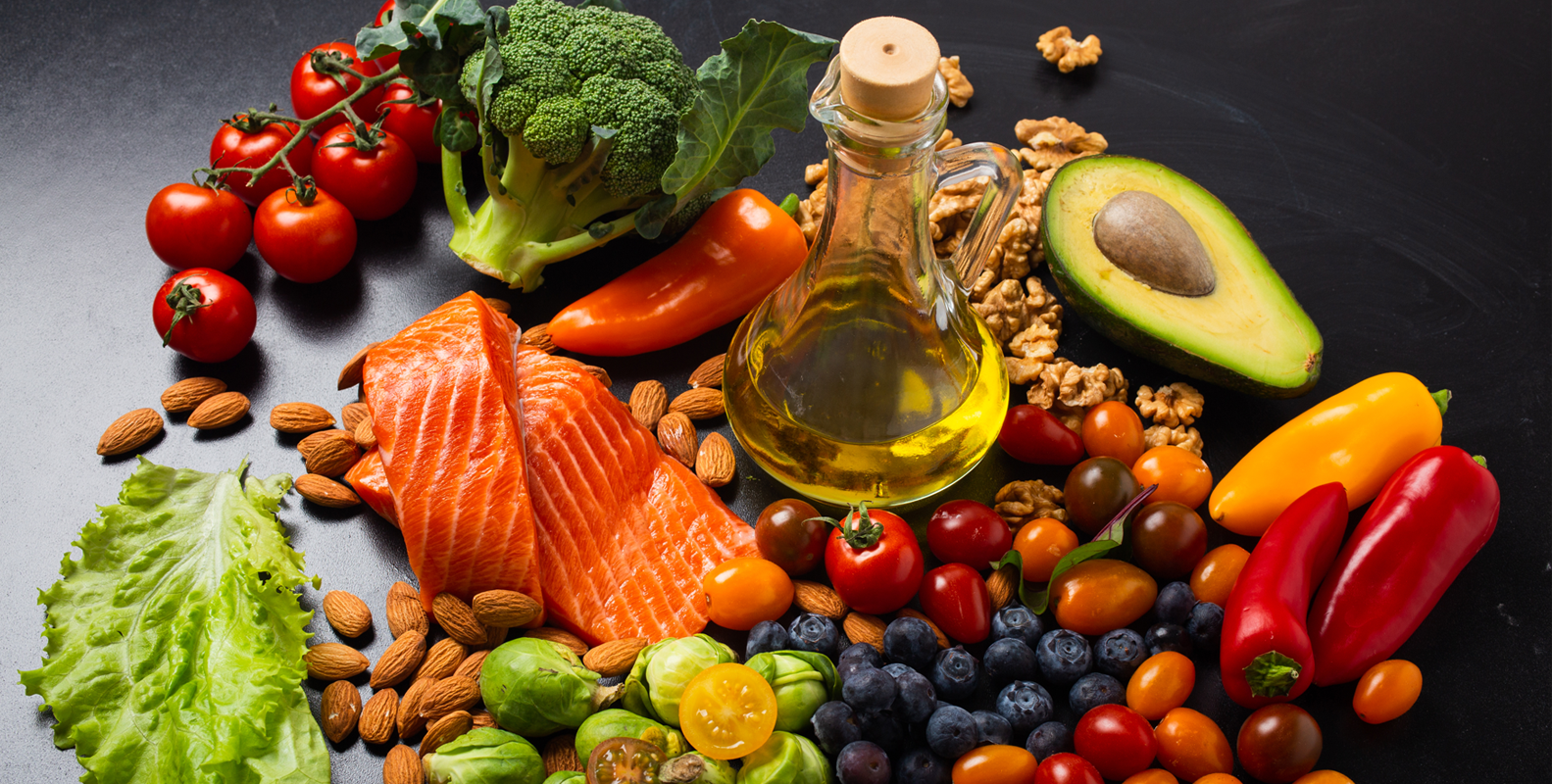
Summer Nourishes Wellness – Eat Fresh, Hydrate Often

July stands as summer’s sweet spot, delivering long days and sun that wakes up our senses. It’s a time to gather with family, fill plates with garden-fresh produce, and soak in open-air adventures. Eating healthy doesn’t have to feel like deprivation—July offers juicy berries, crisp cucumbers, sweet corn, and watermelon that turn ordinary meals into celebrations.

Staying hydrated becomes a daily ritual, not a chore. Keep a cool water bottle at your side, or infuse drinks with slices of citrus or mint. Melons, celery, and leafy greens help replenish fluids lost on those hot afternoons. Opt for lighter, protein-rich meals at cookouts—grilled chicken, fish, and whole grains—instead of heavy creamy side dishes. Your body will thank you with more energy and quicker recovery after busy days.

Wellness goes beyond food. Prioritize sleep, carve out moments for a walk at dusk, cultivate a small garden, or gather loved ones for a digital detox picnic, far from screens and stress. Each step, sip, and bite brings energy and happiness, transforming July from a month on the calendar into a foundation for year-round good health.

Relationships

Introduction

Alright, folks, let’s sit down and have a real talk about something that’s become a big part of our lives—technology. Now, don’t get me wrong, it’s got its perks, but it’s also got some psychological effects that can weigh heavy on our relationships. So, let’s break it down and see how this constant connectivity is playing out in our emotional and relational lives, both the good and the bad.

Anxiety and Loneliness

First, let’s get into anxiety and loneliness. You see, technology is supposed to connect us, but sometimes it does the opposite. Social media, with its endless feeds, can lead us to compare ourselves to others and feel like we’re missing out. That dreaded FOMO (Fear of Missing Out), you know what I’m talking about. It ramps up the anxiety, leaving us feeling more isolated than ever. Instead of making real connections, we end up scrolling through highlight reels, feeling like we’re on the outside looking in.

Technoference in Relationships

And then there’s “technoference”—the interruptions in personal interactions caused by technology. Picture this: you’re sitting across from your partner, trying to have a heartfelt conversation, but their phone keeps buzzing. It’s frustrating, right? These daily interruptions can lead to conflicts over technology use, chipping away at the quality of our face-to-face interactions. When devices take center stage, partners can feel sidelined, leading to a decline in emotional intimacy and relationship satisfaction.

Trust Issues

Let’s not forget about trust issues. With constant connectivity comes the potential for misinterpretation of online interactions. A simple like or comment can spiral into jealousy and insecurity, eroding the trust that’s the bedrock of any healthy relationship. It’s like opening Pandora’s box, where every online action is scrutinized and questioned, breeding doubt and suspicion.

Avoidant Behaviors

Constant connectivity can also foster avoidant behaviors. It’s all too easy to use technology as an escape, avoiding uncomfortable emotions or conflicts. This can lead to emotional detachment, where individuals become more invested in their digital lives than their real-world relationships. It’s like building a wall, keeping genuine connection at bay.

Finding Solutions: Setting Healthy Digital Boundaries

OK, what’s the solution? It starts with setting healthy digital boundaries. Couples can agree on specific times to unplug and focus on each other, ensuring that technology enhances rather than detracts from their relationship. It’s about finding a balance that works for both partners, allowing technology to be a tool for connection rather than a source of division.

Open Communication

Open communication is key to navigating the challenges technology presents. Couples should feel comfortable discussing their concerns and establishing guidelines for online interactions. By fostering an environment of trust and understanding, partners can address issues head-on and prevent misunderstandings from spiraling out of control.

Balancing the Online and Offline Worlds

Ultimately, it’s about finding the right balance between the online and offline worlds. Prioritizing face-to-face interactions and quality time together can deepen emotional bonds, while technology can be used to complement and enhance the relationship. Mindful use of technology can help couples harness its benefits while minimizing its drawbacks.

Conclusion

In the end, technology is a powerful force that can shape modern relationships in profound ways. By understanding its impact and navigating its challenges with care and intention, couples can maintain healthy, fulfilling relationships in today’s tech-driven world. Embracing technology with mindfulness, setting boundaries, and prioritizing open communication are key strategies for leveraging technology as a positive force in relationships. So, my friends, let’s embrace the digital age with open hearts and minds, ensuring that technology serves to bring us closer rather than push us apart. The future of love is in our hands—let’s make it a bright one.

How to Support Healthy Eating Habits in African American Families

Hey everyone! Today, let’s talk about an important topic: supporting healthy eating habits in African American families. With the right approach, we can promote better health and prevent diet-related diseases.

Healthy eating is crucial for maintaining overall well-being and preventing chronic diseases like diabetes, heart disease, and obesity. Unfortunately, African American communities often face unique challenges when it comes to accessing healthy foods. Factors such as food deserts, economic barriers, and cultural preferences can make it difficult to maintain a nutritious diet.

One of the first steps in supporting healthy eating habits is understanding the barriers. Many African American communities are located in food deserts, areas with limited access to affordable and nutritious food. This lack of access often leads to a reliance on fast food and processed foods, which are high in calories, sugar, and unhealthy fats. Economic barriers also play a role, as healthy foods can be more expensive and less accessible for families with limited budgets.

To overcome these challenges, it’s essential to focus on education and awareness. Educating families about the importance of nutrition and how to make healthier food choices is crucial. Community programs and workshops can provide valuable information on meal planning, cooking techniques, and reading nutrition labels. These programs can empower families to make informed decisions about their diets.

Incorporating cultural preferences into healthy eating is also important. Traditional African American cuisine, often referred to as “soul food,” can be adapted to include healthier options. For example, using lean meats, fresh vegetables, and whole grains can create nutritious versions of classic dishes. Encouraging the use of herbs and spices instead of salt can also enhance flavor without adding sodium.

Community support plays a vital role in promoting healthy eating habits. Churches, community centers, and local organizations can serve as hubs for nutrition education and support. Initiatives like community gardens and farmers’ markets can increase access to fresh produce and create opportunities for families to engage in healthy eating practices together.

Additionally, advocating for policy changes can help address systemic barriers to healthy eating. Supporting policies that promote food equity, such as increasing funding for nutrition assistance programs and incentivizing grocery stores to open in underserved areas, can make a significant impact.

By focusing on education, cultural adaptation, community support, and policy advocacy, we can support healthy eating habits in African American families. Together, we can create environments that promote health and well-being, empowering families to make nutritious choices and lead healthier lives. Let’s work together to build a future where everyone has access to the foods they need to thrive.

Human Connection is more important

Let’s talk about something wild and crazy: actual human interaction. And no, I don’t mean your Twitter followers or that houseplant you’ve been oversharing with. I’m talking about real, live human beings. You know, those strange creatures with faces that move and voices that don’t come through a speaker? Yeah, those.The Friend-tastic Adventure: Rediscovering Human Contact.

Here’s a radical idea that’ll make your smartphone weep: How about we try scheduling a coffee date or phone call with a friend or family member once a week? I know, I know. Talking to people in real life sounds more terrifying than skydiving into a pool of hungry sharks while wearing a bacon suit. But trust me, it’s not as bad as your anxiety-riddled brain is making it out to be. And who knows? You might even enjoy it. Crazy concept, right?

Now, I can hear you protesting already. “But Mondy, I’m an introvert! Social interaction drains my batteries faster than playing Pokémon Go!” I get it. But here’s the thing: human connection is like a muscle. The more you use it, the stronger it gets. Start small. Maybe a 15-minute call with your least annoying relative. Work your way up to a full-blown coffee date. Before you know it, you’ll be a social butterfly. Or at least a social caterpillar. Baby steps, people.

Volunteering: The Ultimate Two-for-One Deal

And hey, if the thought of one-on-one interaction makes you want to crawl into a hole and never come out, there’s always volunteering. It’s like helping others and helping yourself at the same time. Talk about efficiency! Plus, it gives you a built-in conversation topic. “Oh, what did I do this weekend? Just saved the world, no big deal.” Boom. Instant cool points.

Volunteering is also a great way to meet people with similar interests. Like animals? Volunteer at a shelter. Love books? Help out at your local library. Passionate about the environment? Join a community clean-up crew. It’s like Tinder, but for making friends and actually doing something productive with your life.

The Digital Detox Challenge: Surviving Without Likes

Now, I know what you’re thinking. “But Mondy, how am I supposed to make real friends when I have all these virtual ones to keep up with?” Here’s a wild idea: try a digital detox. Start small. Maybe an hour a day without checking your phone. Work your way up to a whole day. I promise, the world won’t implode if you don’t know what your ex’s dog’s new owner had for brunch.

Use that newfound free time to, I don’t know, look up and notice the world around you. Smile at a stranger (not in a creepy way, please). Strike up a conversation with your barista. Join a club or a sports team. Remember those? They’re like Facebook groups, but with actual physical activity involved.

The Grand Finale: Your Social Awakening

So there you have it, folks. The secret to not turning into a smartphone-dependent hermit. Remember, staying socially healthy doesn’t have to be as painful as a root canal performed by a squirrel. It can be as fun as… well, hanging out with actual humans. Novel concept, I know.

Now, if you’ll excuse me, I have a coffee date with a friend I haven’t seen in person since the invention of the selfie stick. Wish me luck. I might have forgotten how to have a conversation that doesn’t involve emojis. But hey, that’s what friends are for, right? To remind us how to human. Stay social, my friends!

Staying Sane in an Insane World

Mental health. It’s like that uninvited guest who crashes your party, raids your fridge, and refuses to leave. In 2025, we’re not just acknowledging this party crasher; we’re giving it a VIP pass and a fancy drink. Why? Because our brains deserve some five-star treatment, y’all.

The Therapy Tango: Dancing with Your Demons

First things first, let’s chat about therapy. I know, I know. The thought of spilling your guts to a stranger might seem about as appealing as a root canal performed by a squirrel. But here’s the deal: therapy is like CrossFit for your mind. You wouldn’t expect to get ripped without hitting the gym, right? So why expect your brain to bench press life’s problems without breaking a sweat?

And for those of you who’d rather eat glass than talk face-to-face, there’s always teletherapy. It’s like FaceTiming your therapist, but with less awkward small talk about the weather and more deep dives into why you still can’t fold a fitted sheet. Plus, you can do it in your pajamas. Win-win, people.

Mindfulness: Not Just for Yoga Gurus Anymore

Now, let’s talk mindfulness. No, I’m not asking you to sit cross-legged on a mountaintop chanting “Om” while eagles soar majestically overhead. Mindfulness is just a fancy way of saying “pay attention to the present moment.” It’s like hitting the pause button on life’s remote control when your favorite show (aka your sanity) is about to get canceled. Try it for five minutes a day. Who knows? You might just find that your brain isn’t as scary a place as you thought. It’s more like a messy closet – chaotic, but manageable with some organization.

The Social Media Detox: Breaking Up with Your Phone

Let’s address the digital elephant in the room: social media. In 2025, scrolling through Instagram is like playing Russian roulette with your self-esteem. One minute you’re laughing at cat memes, the next you’re wondering why your life isn’t as perfect as your high school nemesis’s pet rock. Here’s a wild idea: try a social media detox. Start small. Maybe an hour a day without checking your phone. Work your way up to a whole day. I promise, the world won’t implode if you don’t know what your cousin’s roommate’s dog had for breakfast.

Human Connection: More Than Just WiFi

Let’s not forget about the power of human connection. And no, I don’t mean your Instagram followers or your plant’s TikTok account. I’m talking about real, live human beings. You know, the ones with actual faces and not just profile pictures. Try scheduling a coffee date or phone call with a friend or family member once a week. I know, talking to people in real life sounds more terrifying than skydiving into a pool of sharks. But trust me, it’s not as bad as you think. And who knows? You might even enjoy it. Crazy concept, right?

Gratitude: Not Just for Thanksgiving Anymore

Lastly, let’s talk about gratitude. No, I’m not getting all Oprah on you, giving away cars and favorite things. But writing down three things you’re grateful for each day can actually make you happier. It’s like magic, but without the annoying rabbits and top hats. Plus, it takes less time than watching a TikTok video. So really, you have no excuse.

Remember, taking care of your mental health isn’t selfish. It’s necessary. Your brain does a lot for you – it remembers your ex’s phone number, calculates tip percentages, and occasionally reminds you where you parked your car. The least you can do is give it a little vacation now and then. So go ahead, book that therapy appointment, try that mindfulness app, put down your phone, and hug a friend (with consent, of course). Your brain will thank you, and who knows? You might just become the zen master of your own mental health party.

Now, if you’ll excuse me, I have a date with my therapist. We’re going to discuss why I still can’t resist buying clearance items I don’t need. It’s going to be a wild session.

Nurturing Your Well-Being in a Fast-Paced World

In our increasingly hectic lives, where smartphones have become extensions of our hands and multitasking is the norm, it’s easy to neglect our most fundamental needs. As we navigate the complexities of modern life in Philadelphia and beyond, it’s crucial to remember the profound impact that self-care can have on our overall well-being. Let’s explore how we can prioritize our health and create a sense of balance in our fast-paced world.

The Paradox of Modern Living

We live in an era of unprecedented convenience and productivity. With a few taps on a screen, we can order groceries, schedule appointments, and manage our work tasks. Yet, studies show a concerning trend: despite having more time-saving tools than ever, rates of stress, burnout, and health issues are on the rise.

This modern paradox affects people of all ages, from young professionals trying to climb the career ladder to older adults navigating a world that seems to move at warp speed. The challenge lies in finding balance between productivity and personal well-being.

The Health Benefits of Self-Care

Research consistently shows that prioritizing self-care is vital for both mental and physical health. People who make time for self-care tend to:

Experience lower rates of stress and burnout
Enjoy better sleep quality
Have stronger immune systems
Live longer, more fulfilling lives

These benefits aren’t just anecdotal; they’re backed by science. Self-care has been shown to reduce cortisol levels, improve cognitive function, and even boost overall life satisfaction.

Strategies for Effective Self-Care

Prioritize Sleep

In our 24/7 world, sleep often takes a backseat to other activities. However, getting 7-9 hours of quality sleep is crucial for our health. Consider:

Establishing a consistent sleep schedule
Creating a relaxing bedtime routine
Limiting screen time before bed

Remember, good sleep is not a luxury; it’s a necessity for optimal functioning.

Embrace Regular Exercise

Physical activity is a cornerstone of good health. You don’t need to become a fitness guru; even moderate exercise can have significant benefits. Try:

Taking a 30-minute walk three times a week
Joining a local sports team or fitness class
Finding ways to incorporate movement into your daily routine

Regular exercise not only improves physical health but also boosts mood and cognitive function.

Practice Mindfulness

In our fast-paced world, taking time to be present can feel like a challenge. However, mindfulness practices can significantly reduce stress and improve overall well-being. Consider:

Starting a daily meditation practice
Practicing deep breathing exercises
Engaging in mindful activities like yoga or tai chi

Remember, mindfulness is a skill that improves with practice.

Nurture Social Connections

While self-care often focuses on individual practices, maintaining strong social connections is equally important. Make an effort to:

Schedule regular meetups with friends and family
Join local clubs or groups aligned with your interests
Volunteer in your community

These interactions not only enrich our personal lives but also provide crucial support systems.

The Role of Technology in Self-Care

While overreliance on technology can be detrimental, when used mindfully, it can be a powerful tool for self-care. Consider:

Using apps for guided meditation or sleep tracking
Joining online communities focused on health and wellness
Leveraging fitness trackers to motivate physical activity

The key is to use technology as a tool to enhance your self-care practices, not as a substitute for them.

A Call to Action: Prioritizing Self-Care in a Busy World

As we conclude, I challenge each of you to take a step towards better self-care this week. It could be as simple as:

Going to bed 30 minutes earlier
Taking a short walk during your lunch break
Trying a five-minute meditation session

Remember, every small act of self-care contributes to a healthier, more balanced life.

In our journey towards holistic wellness, nurturing ourselves is not selfish; it’s necessary. By prioritizing self-care, we not only improve our own lives but also become better equipped to contribute positively to our communities.

Let’s make Philadelphia a model of well-being in the modern age, proving that even in our fast-paced, technology-driven world, taking care of ourselves remains our most powerful tool for health, happiness, and fulfillment.

Embracing New Beginnings: Stepping into 2025 with Purpose and Joy

As we stand on the threshold of a new year, the air is thick with possibility. The turning of the calendar from 2024 to 2025 offers us more than just a change in digits; it presents a canvas for personal growth, renewed hope, and transformative change. Here in Philadelphia, as the city prepares to usher in the new year, let’s take a moment to reflect on the journey behind us and the path that lies ahead.

The Power of Reflection

Before we leap into the future, it’s essential to pause and look back at the year we’re leaving behind. 2024 has been a year of challenges and triumphs, both globally and personally. Take some time to consider:

  • What were your proudest moments?
  • What lessons did you learn from the difficulties you faced?
  • How have you grown as a person over the past year?

This reflection isn’t about dwelling on the past but about acknowledging your journey and carrying forward the wisdom you’ve gained.

Setting Intentions, Not Just Resolutions

As the new year approaches, many of us feel pressured to make grand resolutions. However, instead of creating a list of rigid goals, consider setting intentions for the year ahead. Intentions focus on how you want to be, rather than what you want to do. For example:

  • Instead of “lose 20 pounds,” try “nourish my body with love and care”
  • Rather than “get a promotion,” consider “bring my best self to work each day”
  • In place of “save more money,” think “cultivate a mindset of abundance and gratitude”

By shifting our focus to intentions, we create a more flexible and compassionate framework for personal growth.

Nurturing Mind, Body, and Spirit in the New Year

As we’ve discussed throughout the year, true wellness encompasses all aspects of our being. As you step into 2025, consider how you can nurture each dimension of your health:

For the Mind:

  • Commit to learning something new each month
  • Practice mindfulness or meditation to cultivate mental clarity
  • Set boundaries to protect your mental peace

For the Body:

  • Find joy in movement through activities you genuinely enjoy
  • Experiment with nourishing, whole foods that energize you
  • Prioritize sleep as a cornerstone of physical health

For the Spirit:

  • Explore practices that connect you to your sense of purpose
  • Cultivate relationships that uplift and inspire you
  • Make time for activities that bring you genuine joy and fulfillment

Community and Connection in 2025

As we embark on this new chapter, remember that we’re not on this journey alone. Our community in Philadelphia is a tapestry of diverse experiences, cultures, and stories. In the coming year, let’s commit to:

  • Reaching out to neighbors and building stronger local connections
  • Participating in community events that celebrate our city’s rich heritage
  • Finding ways to give back and contribute to the well-being of others

By strengthening our community bonds, we create a support system that uplifts us all.

Embracing Change with Open Arms

Change is the only constant in life, and 2025 will undoubtedly bring its share of surprises, challenges, and opportunities. As we face the unknown, let’s approach it with:

  • Curiosity instead of fear
  • Flexibility instead of rigidity
  • Optimism instead of doubt

Remember, every change, whether welcomed or unexpected, carries within it the seeds of growth and new possibilities.

A New Year’s Eve Ritual

As the clock ticks towards midnight on December 31st, consider creating a personal ritual to mark the transition. This could be:

  • Writing a letter to your future self, to be opened at the end of 2025
  • Lighting a candle and setting an intention for the year ahead
  • Gathering with loved ones to share hopes and dreams for the coming year

Whatever form it takes, let this ritual be a meaningful way to honor the passing of time and the dawn of new beginnings.

Stepping Forward with Hope

As we bid farewell to 2024 and welcome 2025, let’s do so with hearts full of hope and minds open to possibility. The new year is not just a change in the calendar; it’s an invitation to write a new chapter in our lives.

Remember, dear friends, that you carry within you the strength, wisdom, and resilience gained from every experience you’ve lived through. You are more than capable of facing whatever the new year may bring.

So, as the fireworks light up the Philadelphia sky and the sound of celebration fills the air, take a deep breath and step into 2025 with confidence. May this be a year of growth, joy, and meaningful connections. May you find the courage to chase your dreams, the strength to overcome challenges, and the wisdom to appreciate each moment.

Here’s to new beginnings, to fresh starts, and to the beautiful journey that awaits us in 2025. Happy New Year, Philadelphia! Let’s make it a year to remember.

The Power of Connection: Building Bridges in a Digital Age

In an era where our smartphones seem to be permanent extensions of our hands, it’s ironic that many of us feel more disconnected than ever. As we navigate the complex landscape of modern life in Philadelphia and beyond, it’s crucial to remember the profound impact that genuine human connection can have on our overall well-being. Let’s explore how we can foster meaningful relationships and create a sense of community in our increasingly digital world.

The Paradox of Digital Connectivity

We live in a time of unprecedented connectivity. With a few taps on a screen, we can instantly communicate with people across the globe. Social media platforms promise to keep us connected with friends and family, yet studies show a concerning trend: despite being more “connected” than ever, rates of loneliness and social isolation are on the rise.

This digital paradox affects people of all ages, from teenagers glued to their screens to older adults navigating a world that seems to move at the speed of light. The challenge lies in bridging the gap between digital interaction and genuine human connection.

The Health Benefits of Social Connection

Research consistently shows that strong social connections are vital for both mental and physical health. People with robust social networks tend to:

  • Have lower rates of anxiety and depression
  • Enjoy better cardiovascular health
  • Experience a stronger immune system
  • Live longer, more fulfilling lives

These benefits aren’t just anecdotal; they’re backed by science. Social connection has been shown to reduce stress levels, improve sleep quality, and even boost cognitive function as we age.

Strategies for Meaningful Connection

Prioritize Face-to-Face Interactions

While digital communication has its place, nothing can replace the power of in-person interaction. Make a conscious effort to:

  • Schedule regular meetups with friends and family
  • Join local clubs or groups that align with your interests
  • Volunteer in your community to meet like-minded individuals

Practice Active Listening

In our fast-paced world, truly listening to others has become a rare skill. When engaging in conversation:

  • Give your full attention to the speaker
  • Ask thoughtful questions
  • Avoid interrupting or immediately offering solutions

By practicing active listening, you create a space where others feel heard and valued, deepening your connections.

Embrace Vulnerability

Authentic connections are built on trust and openness. While it can feel risky, sharing your true thoughts and feelings:

  • Encourages others to do the same
  • Creates deeper, more meaningful relationships
  • Helps combat feelings of isolation and loneliness

Remember, vulnerability is not weakness; it’s the courage to be your authentic self.

Bridging Generational Gaps

In our diverse community, there’s immense value in fostering connections across generations. Younger individuals can learn from the wisdom and experiences of their elders, while older adults can gain fresh perspectives and energy from younger generations.

Consider:

  • Participating in mentorship programs
  • Attending intergenerational community events
  • Sharing skills across age groups (e.g., tech-savvy youth teaching digital skills to older adults)

These interactions not only enrich our personal lives but also strengthen the fabric of our community as a whole.

The Role of Technology in Fostering Connection

While overreliance on digital communication can be problematic, technology can also be a powerful tool for building and maintaining relationships when used mindfully. Consider:

  • Using video calls to stay in touch with distant loved ones
  • Joining online communities centered around shared interests or experiences
  • Leveraging social media to organize in-person meetups and events

The key is to use technology as a bridge to real-world connections, not as a substitute for them.

A Call to Action: Reconnecting in a Disconnected World

As we wrap up, I challenge each of you to take a step towards deeper connection this week. It could be as simple as:

  • Calling a friend you haven’t spoken to in a while
  • Striking up a conversation with a neighbor
  • Attending a community event you’ve been curious about

Remember, every meaningful interaction, no matter how small, contributes to a more connected, compassionate world.

In our journey towards holistic wellness, nurturing our social connections is just as important as caring for our physical health. By prioritizing genuine human interaction, we not only enrich our own lives but also contribute to the well-being of our entire community.

Let’s make Philadelphia a model of connection in the digital age, proving that even in our fast-paced, technology-driven world, the warmth of human connection remains our most powerful tool for health, happiness, and fulfillment.

Embracing Holistic Wellness: A Journey for Mind, Body, and Spirit

In the bustling heart of Philadelphia, where the rhythm of city life often drowns out our inner voices, there’s a growing need to reconnect with ourselves on a deeper level. As we navigate the complexities of modern life, the concept of holistic wellness emerges as a beacon of hope, offering a path to true health and happiness that encompasses not just our physical bodies, but our minds and spirits as well.

The Triad of Well-being: Mind, Body, and Spirit

At the core of holistic wellness lies the understanding that our health is not compartmentalized. Instead, it’s an intricate dance between our mental state, physical condition, and spiritual essence. This interconnectedness means that nurturing one aspect inevitably benefits the others, creating a harmonious balance that radiates through every facet of our lives.

Nourishing the Mind

In our fast-paced world, mental health has taken center stage, and for good reason. The mind is the control center of our being, influencing everything from our daily decisions to our long-term health outcomes. Practices like mindfulness and meditation are no longer fringe activities but essential tools for maintaining mental clarity and emotional stability.

Consider setting aside just 10 minutes each day for quiet reflection or guided meditation. This small investment of time can yield significant returns in reduced stress, improved focus, and enhanced emotional resilience. Remember, a calm mind is the foundation of a healthy life.

Caring for the Body

Our bodies are remarkable machines, capable of incredible feats when properly cared for. The latest trends in physical wellness emphasize a holistic approach to fitness that goes beyond just burning calories[2]. Holistic fitness integrates various elements to create a comprehensive approach to physical well-being:

  • Balanced nutrition tailored to individual needs
  • Regular exercise that combines strength, flexibility, and cardiovascular health
  • Adequate rest and recovery, including quality sleep

Don’t underestimate the power of simple activities like a brisk walk after dinner or trying out a new healthy recipe. These small steps can lead to significant improvements in your overall health.

Nurturing the Spirit

Often overlooked in traditional healthcare, spiritual wellness is gaining recognition for its profound impact on our overall well-being. This doesn’t necessarily mean adhering to a specific religion but rather connecting with something greater than ourselves and finding meaning in our lives[1].

Explore practices that resonate with your personal beliefs, whether it’s through prayer, meditation, or simply spending time in nature. The goal is to cultivate a sense of purpose and inner peace that can sustain you through life’s challenges.

Integrating Holistic Practices into Daily Life

The beauty of holistic wellness lies in its accessibility. You don’t need expensive equipment or memberships to start your journey. Here are some simple ways to incorporate holistic practices into your routine:

  1. Start your day with gratitude: Before checking your phone, take a moment to list three things you’re thankful for.
  2. Move mindfully: Whether it’s yoga, tai chi, or a simple stretching routine, engage in movement that connects your body and mind.
  3. Nourish thoughtfully: Pay attention to how different foods make you feel, and choose those that energize and satisfy you.
  4. Connect with others: Foster relationships that support and inspire you, creating a community of wellness around you.
  5. Practice self-compassion: Treat yourself with the same kindness and understanding you would offer a good friend.

The Path Forward

As we embrace holistic wellness, we’re not just improving our individual lives; we’re contributing to a healthier, more compassionate community. By taking care of ourselves in a comprehensive way, we become better equipped to care for others and face the challenges of our world with resilience and grace.

Remember, the journey to holistic wellness is just that—a journey. It’s not about perfection but progress. Each small step you take towards balancing your mind, body, and spirit is a victory worth celebrating.

As you leave our office today, carry with you the knowledge that true health is within your reach. It’s not found in a pill or a fad diet, but in the daily choices you make to honor the interconnected nature of your being. Embrace this holistic approach to wellness, and watch as it transforms not just your health, but your entire life.

Your journey to holistic wellness starts now. What will your first step be?

Nourishing Body and Soul: The Future of Nutrition in 2025

2025 will be here soon, and your plate is about to get a high-tech makeover that would make even the Jetsons jealous.

Your DNA is the New Menu

Forget fad diets and one-size-fits-all meal plans. In 2025, your perfect diet is as unique as your fingerprint (or that embarrassing tattoo you got in college).

  • Nutrigenomics Revolution: Affordable genetic tests will spill the beans on how your body handles different nutrients. No more guessing games!
  • AI Nutritionists: Imagine Siri, but instead of terrible dad jokes, she’s dishing out personalized meal plans based on your DNA, lifestyle, and that burrito you shouldn’t have had for lunch.
  • Weather-Proof Meals: Your AI nutritionist will adjust your diet faster than you can say “climate change,” based on everything from your stress levels to whether it’s raining cats and dogs outside.

Food 2.0: When Snacks Get Superpowers

The line between food and medicine is blurring faster than your vision after a long night out.

  • Mood-Boosting Munchies: Feeling blue? There’s a snack for that!
  • Brain-Boosting Bites: Foods that make you smarter? Sign us up! (We could all use a little help, right?)
  • Sleepy-Time Suppers: Dinners designed to knock you out faster than a lullaby on repeat.

Eating Green (And We Don’t Mean Broccoli)

In 2025, being an eco-warrior is as easy as pie.

  • Skyscraper Salads: Urban farming goes vertical, turning concrete jungles into actual jungles.
  • Carbon-Crunching Crops: Foods that fight climate change? Now that’s a superhero origin story we can get behind.
  • Trash to Treasure: One man’s food waste is another man’s gourmet meal. Upcycled ingredients are the new black.

Tech Takes Over the Kitchen

Your kitchen is about to get smarter than a fifth grader.

  • Psychic Fridges: Refrigerators that know you’re out of milk before you do. Creepy or convenient? You decide.
  • 3D Food Printers: Print a pizza faster than you can say “delivery.” The future is now, people!
  • X-Ray Vision for Food: Augmented reality labels that tell you everything about your food, short of its hopes and dreams.

Mindful Munching in the Digital Age

Because sometimes you need to stop and smell the roses (or in this case, your dinner).

  • Phone-Free Feasts: Restaurants where you actually talk to your date instead of Instagram-ing your meal. Revolutionary!
  • VR Dining Adventures: Eat sushi in Tokyo without leaving your couch. Passport and pants optional.
  • Zen and the Art of Chewing: Apps that remind you to breathe between bites. Because apparently, we need help with that now.

Drink Up, Buttercup

In 2025, your beverage of choice does more than just quench your thirst.

  • Stress-Busting Brews: Teas that chill you out faster than a weekend at the spa.
  • Smart Nightcaps: Drinks that improve your brain while you sleep. Multi-tasking at its finest!
  • Gut-Friendly Guzzles: Personalized probiotic potions that make your tummy happier than a kid in a candy store.

Eating Your Way to Immortality (Almost)

Who needs a fountain of youth when you have a fridge full of age-defying snacks?

  • Telomere-Protecting Treats: Foods that keep your cells young and spry. Benjamin Button, eat your heart out!
  • Cellular Spring Cleaning: Meal timing that helps your body take out the trash (cellular trash, that is).
  • Superfood Superstars: Ingredients so powerful, they practically come with their own capes.

Food: The Ultimate Social Network

Because in 2025, breaking bread is the new poking (remember that?).

  • Globe-Trotting Gourmet Classes: Learn to cook from world-class chefs without changing out of your PJs.
  • Neighborhood Nosh Swaps: Trade homegrown goodies with your neighbors. It’s like Tinder, but for produce.
  • Wellness Dinner Parties: Where the conversation is as nourishing as the food. #SquadGoals

As we zoom towards 2025, it’s clear that food is getting a major upgrade. It’s not just fuel anymore; it’s a ticket to better health, a cleaner planet, and maybe even a few laughs along the way. So, as you plan your New Year’s resolutions, why not think beyond the typical “lose 10 pounds” and dream bigger? Here’s to a future where every bite counts, every sip surprises, and where your food might just be smarter than you are. Bon appétit, future foodies!

1 2 3 4 10

Search

+