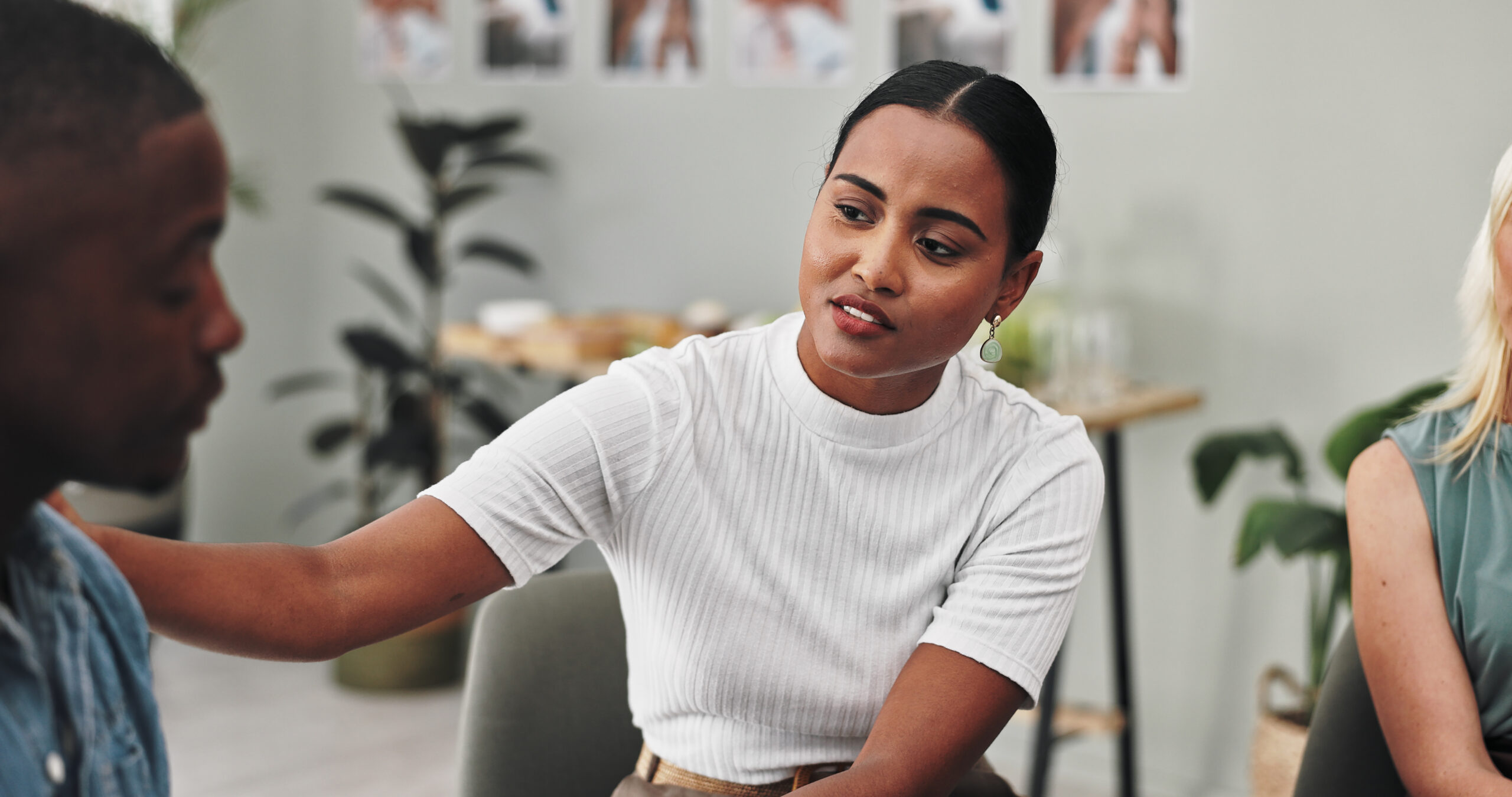

Online, Banking And Couple On Laptop In Home Chat About Finance, Planning And Investment Research. Review, Taxes And People Learning Asset Management For Savings Or Bills In Marriage For Property

Financial Freedom Secrets: Why Saving Should Be Your Top Priority

Hey, friends! Today, let’s talk about saving money and why we should treat it like it’s a monthly bill. Picture this: you pay your rent, utilities, and phone bill every month without fail. But what about saving? Many of us treat saving as an afterthought, something we do if there’s money left over. Well, it’s time to change that mindset!

Saving should be a priority, just like paying your bills. Start by setting a specific amount to save each month. Think of it as paying your future self. This could be for emergencies, a big purchase, or even your retirement.

One way to ensure you save regularly is to automate your savings. Set up an automatic transfer from your checking account to your savings account each month. This way, you won’t even have to think about it. The money will be saved before you have a chance to spend it.

Treat your saving as a non-negotiable expense

Another tip is to treat your savings like a non-negotiable expense. Just like you wouldn’t skip paying your rent, don’t skip putting money into your savings. If you get a bonus or a raise, consider increasing your monthly savings amount. It’s tempting to spend that extra cash, but your future self will thank you for saving it.

Importance of an emergency fund:

    In addition to saving for specific goals, it’s crucial to have an emergency fund. Financial experts recommend setting aside 3-6 months’ worth of living expenses in case of unexpected situations like job loss or medical emergencies. Having this financial safety net can provide peace of mind and prevent the need to go into debt or withdraw from long-term investments.

    Tips for reducing expenses:

      To free up more money for savings, consider the following tips: create a budget to track your spending, negotiate bills like cable and insurance, cancel unnecessary subscriptions, and reduce discretionary spending on dining out, entertainment, and shopping. Small changes can make a big difference in your overall savings.

      Investing for long-term growth:

        While it’s important to have liquid savings, consider investing for long-term financial growth as well. Educate yourself on different investment options like stocks, mutual funds, and real estate. Start small and regularly contribute to your investment portfolio to benefit from compound interest over time.

        Seeking professional financial advice:

          If you need help creating a comprehensive financial plan or navigating complex financial situations, consider seeking advice from a financial advisor or planner. They can provide personalized guidance based on your specific needs and goals, helping you make informed decisions about savings, investments, and overall financial management.

          Lastly, remember that every little bit counts. Even if you can only save a small amount each month, it adds up over time. The key is consistency. By making saving a regular part of your financial routine, you’re building a habit that will benefit you for years to come.
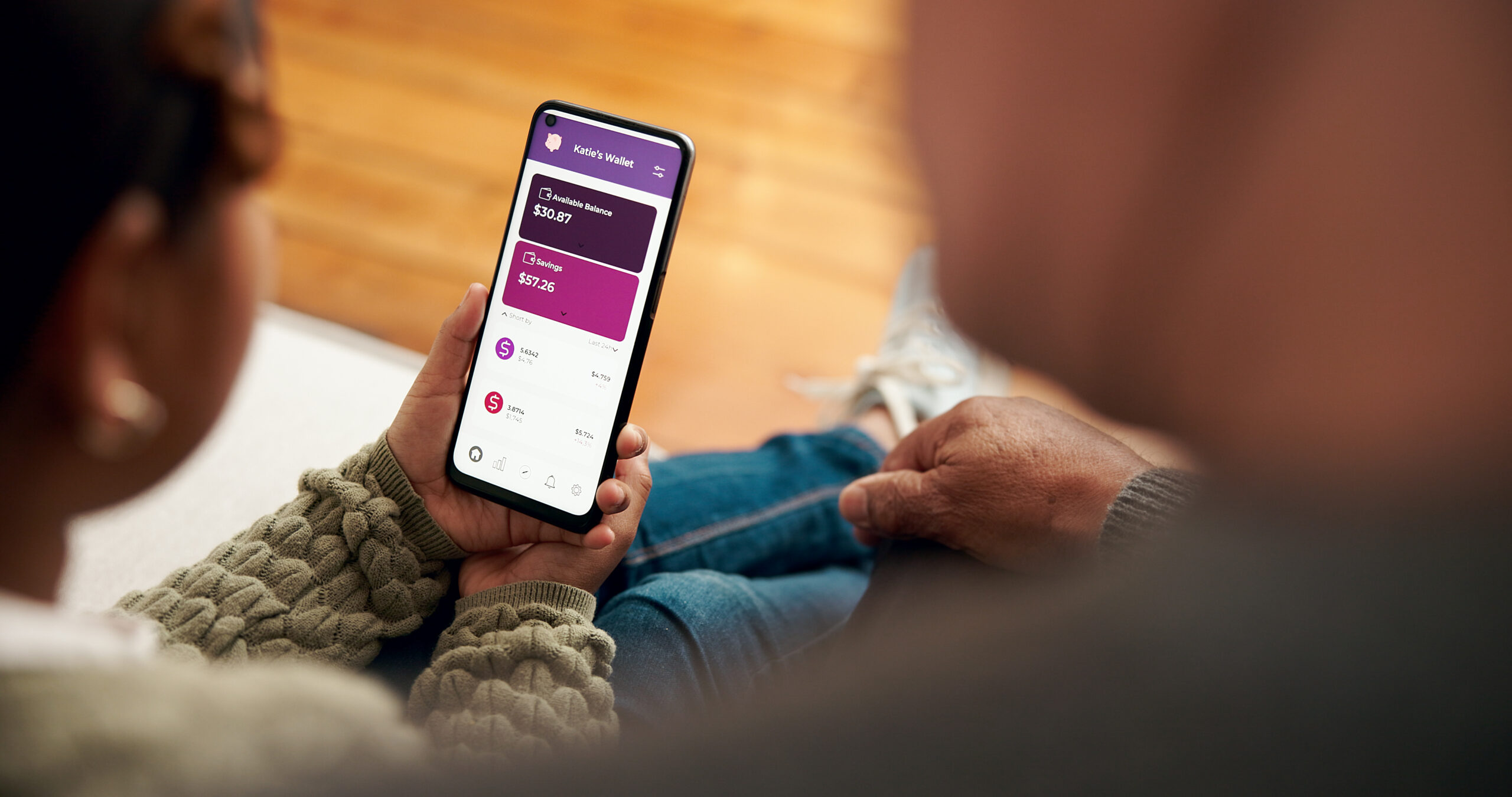

          People, Mobile And Screen With Banking App For Financial Education, Knowledge And Learn To Budget In Home. Girl Child, Dad And Phone With Online Wallet For Saving Money, Investing And Future Wealth

          Are Our Kids Unprepared to Tackle the Financial World?

          Hey there, parents and guardians! Let’s chat about something crucial: our kids and finance. We teach our kids so many things – how to tie their shoes, how to ride a bike, even how to make a mean peanut butter and jelly sandwich. But are we teaching them enough about money? Sure, they learn math in school, but understanding finance goes beyond knowing how to add and subtract.

          Think about it: Do your kids know how to budget their allowance? Do they understand the concept of saving for something big instead of splurging on every little thing? Teaching our kids about finance is like giving them a roadmap for life. They’ll learn how to navigate through the twists and turns of money management and come out on top.

          Start simple. Talk to them about why saving is important, how to set financial goals, and the difference between needs and wants. Trust me, these lessons will stick with them longer than their fascination with the latest video game.

          One fun way to teach kids about finance is through interactive activities. For example, set up a small “store” at home where they can use play money to buy and sell items. This hands-on approach makes learning about money fun and engaging. Also, encourage them to save a portion of their allowance. You could even match their savings to show how interest works.

          Another great idea is to involve them in family financial discussions. Let them see how you budget for groceries, utilities, and other expenses. It might seem boring to them now, but these real-life examples will be invaluable when they start managing their own finances.

          Here are some great apps that can be used to teach kids about money. Here are some examples:

          • RoosterMoney: primarily an allowance app for kids, but it’s particularly handy for teaching kids about money.
          • AdVenture Capitalist: a fun and easy game that extends beyond personal finance and dips your kid’s toes into the world of entrepreneurship.
          • The Game of Life: a board game that teaches kids about money and life skills.
          • PiggyBot: a digital piggy bank that keeps things classic and familiar for younger kids.
          • Bankaroo: one of the best money apps for kids ages 5-14.

          Remember, the goal isn’t to turn them into financial wizards overnight. It’s about planting seeds of knowledge that will grow as they do. By teaching our kids about finance early on, we’re setting them up for a future where they’re confident and competent with money.

          “Red, White, and… Blue?: Mondy’s Eye-Opening Fourth of July Chat”

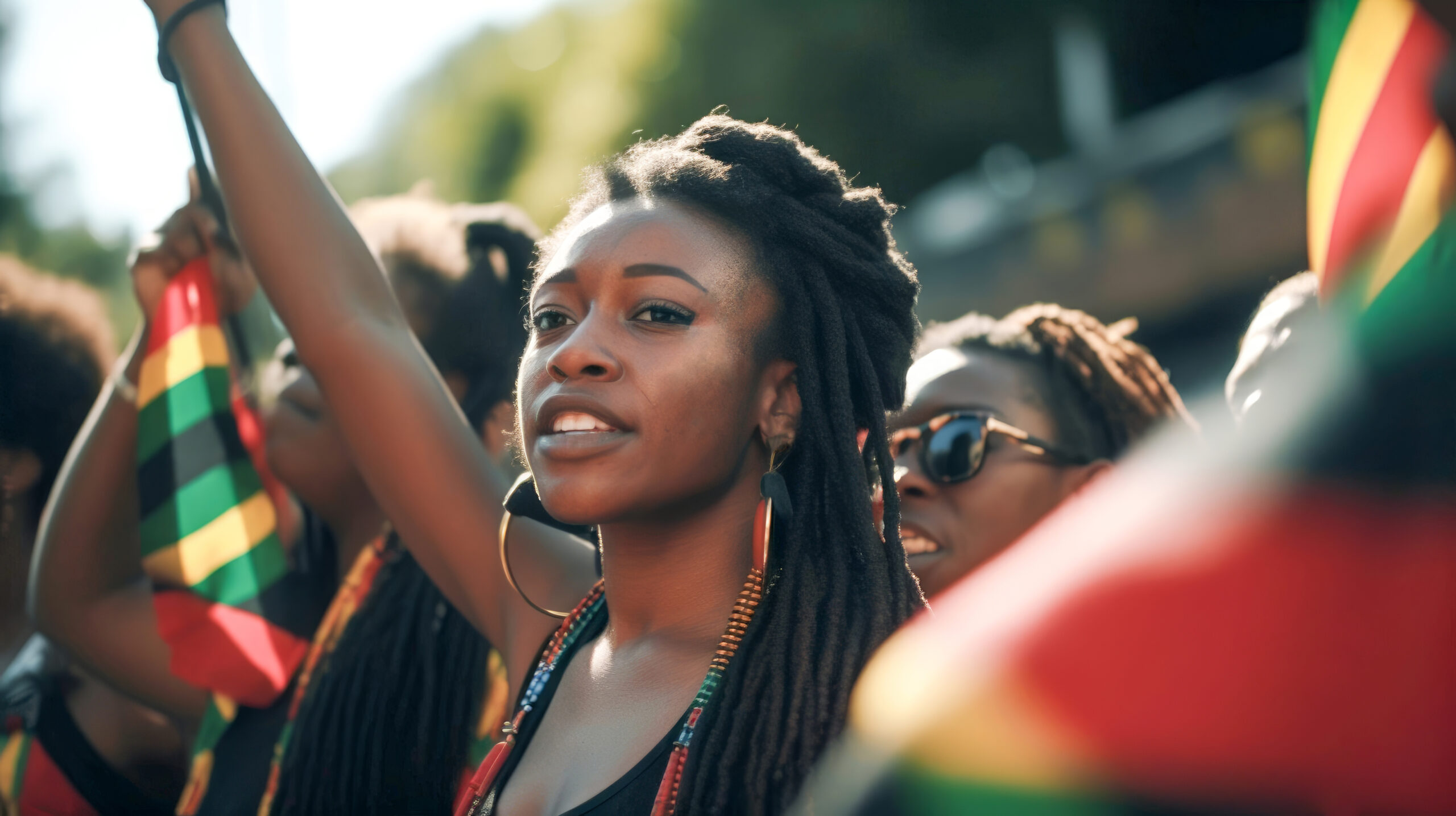
          Hey there, everybody! Today I have something serious to talk about. We’re diving into the Fourth of July, and let me tell you, it’s not all fireworks and hot dogs for everyone.

          You see, I’ve been chatting with some of my friends, and they’ve opened my eyes to something I never really thought about before. For many Black Americans, the Fourth of July isn’t exactly a day of celebration. It’s more like a day of… well, let’s call it complicated feelings.

          Imagine throwing a big birthday party, but some of your guests weren’t invited to the fun parts. That’s kind of what the Fourth of July feels like for many Black Americans. When those fancy-pants founding fathers were writing about “all men are created equal,” they weren’t exactly including everyone in that equation. Talk about a party foul!

          Now, I’m not saying we should cancel the Fourth of July. But maybe we need to think about it differently. Maybe instead of just celebrating what America was, we should be thinking about what America could be. A place where everyone truly feels independent and free. Where no one has to worry about being treated unfairly because of the color of their skin.

          And let’s be real, folks. We’ve still got a long way to go. It’s like we’re all on this big dance floor called America, but not everyone’s been invited to boogie. And you know me, I think everyone should have the chance to dance!

          How about we turn this Independence Day into “Interdependence Day”? I’m talking about a day where we all come together – no matter if you’re black, white, purple, or polka-dotted! Whether you pray to God, Allah, Buddha, or your lucky socks, you’re invited! Gay, straight, or still figuring it out? Come on down! We’re having a party, and everyone’s on the guest list!

          Let’s grab a seat at the great American picnic table and really chew the fat. And I’m not just talking about hot dogs here! Let’s have some real, juicy conversations. Share your story, and more importantly, listen to someone else’s. You might just find out that the person you thought was so different from you actually loves the same terrible dance moves you do!

          Imagine if we all put our heads together to brainstorm how to make this country work for everyone. It’d be like the world’s biggest, most diverse think tank! We could come up with ideas crazier than my dance moves – and that’s saying something!

          Who knows? If we keep this up, we might just create a Fourth of July where everyone feels like lighting sparklers and doing a happy dance. Now that’s what I call independence!

          So come on, America! Let’s make this Fourth of July less about looking back and more about looking around – at each other. Because when we really see each other, that’s when the real fireworks start!

          Now, if you’ll excuse me, I’ve got some thinking to do about how I can be a better ally. And maybe eat a hot dog or two. What? I said we should think differently about the Fourth, not give up the food!

          Beat the Heat Wave: Sizzling Tips to Stay Cool and Kind!

          Alright, folks, it’s Mondy here, and let me tell you, it’s getting hot in here! And no, I’m not talking about my dance moves – although they are pretty fire. We’ve got a heat wave coming our way that’s hotter than my wife Kate in a swimsuit!

          Now, I know what you’re thinking: “Mondy, it’s summer. It’s supposed to be hot!” But this isn’t your average summer sizzle, people. We’re talking temperatures that could fry an egg on the sidewalk – and trust me, I’ve tried. It didn’t work, but boy, did I make a mess!

          So, let’s talk about how to keep cool and safe during this heat wave. First things first, stay hydrated! Drink water like it’s going out of style. And no, margaritas don’t count – although they are delicious.

          Next, find some air conditioning. If you don’t have it at home, head to the mall. You can window shop and stay cool at the same time. It’s like killing two birds with one stone, except we don’t actually want to hurt any birds, or stones. You know what I mean.

          Now, here’s the important part: check on your elderly neighbors. I’m not saying you should barge into their homes uninvited – that’s called breaking and entering, and it’s frowned upon. But give them a call, make sure they’re staying cool. Maybe bring them some ice cream. Everyone loves ice cream!

          And don’t forget about your furry friends! Pets need to stay cool too. Give them plenty of water, keep them inside, and maybe even give them a little doggy ice cream. Yes, that’s a thing. I know, I was surprised too!

          Remember, folks, we’re all in this together. Like a big, sweaty, overheated family. So let’s look out for each other, stay cool, and maybe invest in some really good deodorant. Trust me, your friends will thank you.

          And hey, if all else fails, just think about winter. Remember how much we complained about the cold? Bet that sounds pretty good right about now, huh?

          Stay cool, stay safe, and be kind to one another. And remember, if you see me out there in this heat wave, feel free to fan me. I’ll do the same for you. That’s what friends are for!

          Juneteenth: The Freedom Day That’ll Make You Want to Dance!

          Hey there, everybody! Do I have something important to talk about today. We’re diving into Juneteenth, and let me tell you, it’s not just a day for African Americans to celebrate – it’s a day for all of us to come together and do a happy dance for freedom!

          Now, I know what you’re thinking: “Mondy, what’s Juneteenth?” Well, let me break it down for you. Juneteenth is like the sequel to Independence Day, but with a much better plot twist. It marks the day in 1865 when the last enslaved people in Texas finally found out they were free. Can you imagine? It’s like finding out you’ve won the lottery two years after you bought the ticket!

          But here’s the thing, folks – Juneteenth isn’t just about remembering the past. It’s about celebrating how far we’ve come and recognizing how far we still need to go. It’s like when you’re doing the Hokey Pokey – you put your whole self in, you take your whole self out, but you keep on shaking it all about until everybody’s free and equal.

          Now, I know some of you might be thinking, “But Mondy, I’m not African American. Why should I care about Juneteenth?” Well, let me tell you something – freedom is like a really good dance move. It looks best when everyone’s doing it together! Juneteenth is a reminder that we’re all in this together, and that when one of us isn’t free, none of us are truly free.

          So, this Juneteenth, let’s all celebrate! Have a barbecue, do a little dance, maybe even learn some history. And most importantly, let’s remember that love is love, freedom is freedom, and we’re all just humans trying to do the Hokey Pokey of life together.

          And remember, be kind to one another – not just on Juneteenth, but every day. Now, if you’ll excuse me, I’ve got some dance moves to practice for my Juneteenth celebration. Who’s with me?

          Teens and Their Screens

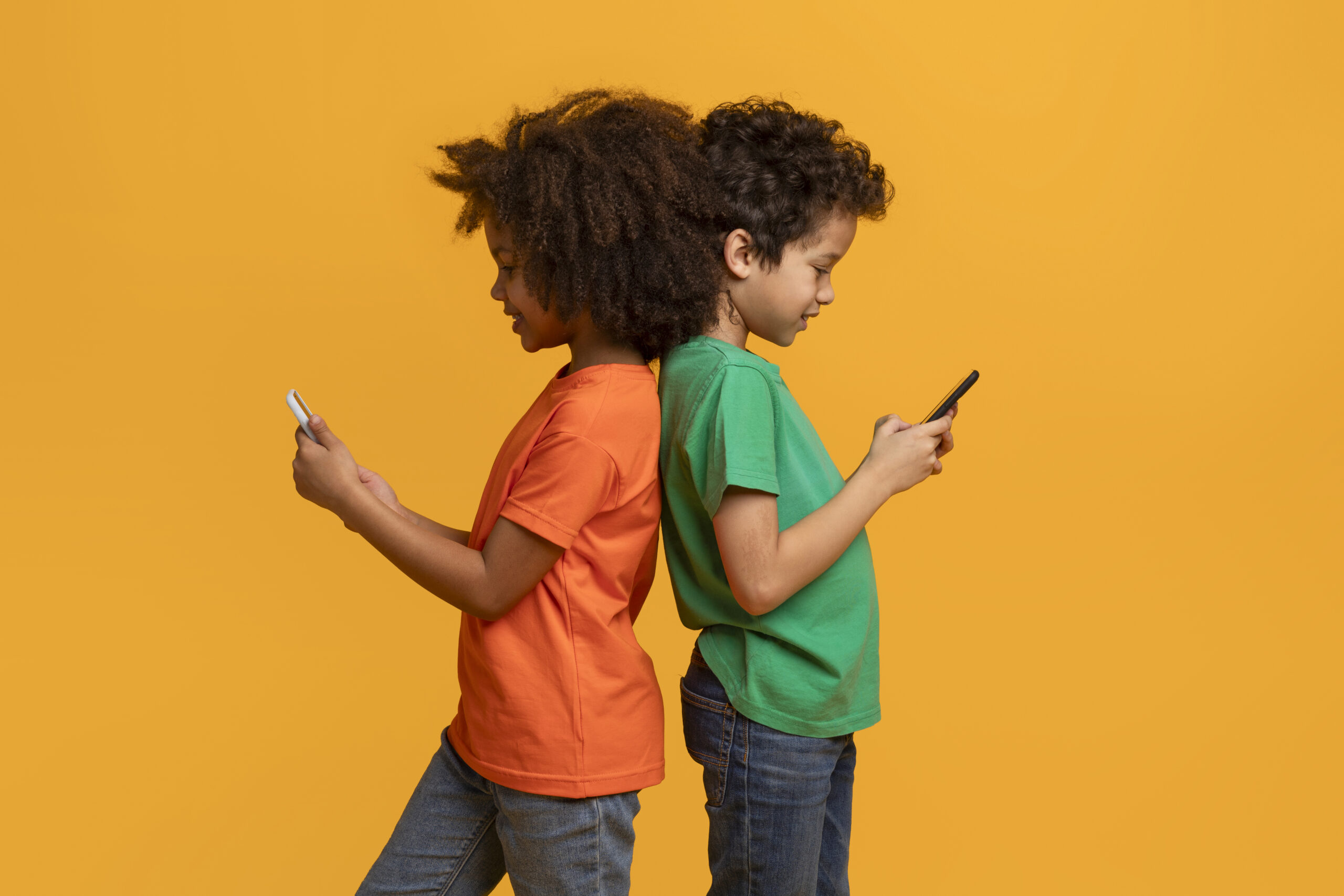
          Today, we’re going to talk about something that’s no laughing matter – internet addiction in teens. But don’t worry, I’ll try to keep it light and funny because, well, that’s kind of my thing. So, you know how we all love our phones, tablets, and laptops? They’re like little digital companions that keep us entertained and connected 24/7. But for some teens, this love affair with the internet has gone a little too far.

          According to a recent study by some super smart folks at UCL, internet addiction can actually change the way a teen’s brain works. And let me tell you, those changes are not exactly what you’d call “positive.” Imagine your brain as a well-oiled machine with different parts working together in perfect harmony. Now, picture that machine getting all jammed up and out of whack. That’s kind of what’s happening to these poor kids’ brains when they can’t pry themselves away from their screens.

          The study found that internet addiction can mess with the brain’s “default mode network” (which sounds like something straight out of a sci-fi movie) and the “executive control network” (which is basically the part that helps you think and make decisions). Yikes!

          But here’s the real kicker: these brain changes can lead to all sorts of other addictive behaviors and tendencies. So, your kid might start out just scrolling through TikTok for hours on end, but before you know it, they could be hooked on video games, online shopping, or who knows what else!

          Now, I know what you’re thinking: “Mondy, this is all very concerning, but how can I keep my teen from turning into a screen-addicted zombie?” Well, fear not, my friends, because I’ve got a few tips for you:

          1. Set reasonable limits on screen time. I’m not saying you have to ban all technology (that’s just cruel), but maybe enforce a “no phones at the dinner table” rule or something like that.
          2. Encourage other hobbies and activities. Get your kid involved in sports, music, art, or whatever floats their boat. Anything to get them away from those darn screens for a while.
          3. Lead by example. If you’re constantly glued to your own phone or laptop, your kid is going to think that’s normal behavior. Show them that there’s more to life than the internet.
          4. Talk to them about the risks of internet addiction. Don’t just lecture them; have an open and honest conversation about the potential consequences.
          5. Seek professional help if needed. If your kid’s internet usage is seriously out of control, don’t be afraid to reach out to a therapist or counselor for guidance.

          At the end of the day, we all love our gadgets and gizmos, but moderation is key, especially for our impressionable teens. So, let’s all try to unplug a little more often and remember that there’s a whole world out there beyond our screens.

          And on that note, I’m going to sign off and maybe go for a nice walk outside. You know, breathe in some fresh air, feel the sun on my face – all that good stuff. Catch you later, internet addicts!

          A Harsh Wake-Up Call 

          I need to talk to you about something really serious today. A disturbing video has surfaced showing hip-hop mogul Sean “Diddy” Combs physically assaulting his then-girlfriend, singer Cassie Ventura, back in 2016. And let me tell you this footage is about as dark as it gets. 

          The video, obtained by CNN, shows Cassie trying to leave a hotel room, only for Diddy to come charging out in just a towel. He grabs her by the neck, throws her to the ground, and then kicks her repeatedly while she’s lying there defenseless. At one point, he even drags her by her sweatshirt before hurling an object at her. 

          Now, I don’t know about you, but watching a man violently attack a woman like that makes me feel sick to my stomach. No person should ever have to endure that kind of physical and emotional trauma, especially from someone who is supposed to love and protect them. My heart breaks for Cassie and any other victims of domestic abuse who have had to suffer in silence. 

          But you know what else this video does? It serves as a stark, unavoidable wake-up call about the harsh realities of domestic violence and toxic relationships. Too often, these types of incidents happen behind closed doors, allowing the abusers to escape real accountability. But now that this footage is out there for the world to see, we can’t ignore or sweep it under the rug anymore. 

          For anyone, especially women, who might be in a similar situation right now – please know that you are not alone. Abuse of any kind, whether physical, emotional, verbal or psychological, is never okay and you don’t deserve it. No matter what your partner might say to justify their actions, violence is violence. Period. 

          I understand that leaving an abusive relationship is one of the most difficult, scary things a person can do. Your abuser has likely made you feel small, worthless and dependent on them. They’ve beaten you down mentally and physically until you’re questioning your own reality. Trust me, I get how that mind game works and why it’s so hard to break free. 

          But you have to find the strength and courage, for your own wellbeing and safety. Because the pattern never stops on its own – it only escalates until someone gets seriously hurt or even killed. No amount of apologizing, gift-giving or sweet-talking from your abuser will ever make up for the trauma they’ve inflicted. You deserve so much better. 

          That’s why I’m begging you, if you’re being abused by your partner, please reach out for help immediately. Call the National Domestic Violence Hotline at 1-800-799-SAFE (7233). They have trained advocates available 24/7 to provide support, resources and even help you create a safe exit plan if you’re ready to leave. You can also visit thehotline.org to chat online if you don’t feel comfortable calling. 

          Remember, you don’t have to go through this alone. There are people and organizations ready and waiting to help get you out of that dangerous situation safely. Because no woman should ever have to suffer brutal beatings and violence at the hands of her partner, the way Cassie did in that horrific video. 

          I know some of you might be thinking, “Well, Cassie went back to Diddy after that incident, so it must not have been that bad.” But that’s exactly the kind of toxic mentality that keeps women trapped in abusive cycles for years, sometimes until it’s too late. We have to stop victim-blaming and recognize that leaving an abuser is extremely difficult due to the psychological torment and control they inflict. 

          The important thing is, Cassie eventually found the courage to leave for good, file a lawsuit detailing the years of abuse she endured, and get herself to a safer place. And while I certainly don’t condone or excuse Diddy’s deplorable actions, I do commend him for issuing an apology and settling the lawsuit instead of trying to fight the allegations. Admitting you were wrong and making amends is the first step towards accountability and personal growth. 

          But this can’t be where the story ends. We need real, systemic change in how we prevent domestic violence, protect and support survivors, and hold abusers accountable. Whether you’re a celebrity, public figure or average person – if you harm another human being, there have to be serious legal and societal consequences. No more getting slaps on the wrist or letting money and power be a get-out-of-jail-free card. 

          Domestic abuse is never just a “private matter” or something to be swept under the rug. It’s a vicious cycle that destroys lives and perpetuates more violence against innocent people. By turning a blind eye, we become enablers of these toxic, dangerous situations. We all have to be proactive allies for survivors and help create an environment where abusers can no longer operate with impunity. 

          The Unspoken Struggle: Mental Health in the Black Community

          Today we’re going to talk about something that’s often swept under the rug, especially in the Black community – mental health. As we continue to celebrate Mental Health Awareness Month, it’s important to shine a light on the unique challenges faced by the Black community when it comes to mental health. You see, for far too long, there has been a stigma surrounding mental illness in this community, and it’s time we address it head-on.

          The Elephant in the Room

          Let’s be real, folks. The Black community has been through a lot – centuries of oppression, discrimination, and systemic racism have taken a toll on our mental well-being. And yet, we’ve been taught to “suck it up” and “be strong.” But here’s the thing: being strong doesn’t mean ignoring our mental health struggles. It means having the courage to acknowledge them and seek help. I know what you’re thinking, “But Mondy, seeking help is easier said than done.” And you’re absolutely right. There are numerous barriers that make it difficult for Black individuals to access mental health services, including lack of culturally competent care, mistrust of the healthcare system, and financial constraints.

          Breaking the Cycle

          But here’s the thing, my friends: we can’t let these barriers stop us from taking care of our mental health. It’s time we break the cycle of silence and start having open and honest conversations about mental illness in the Black community. Imagine a world where seeking therapy is as normal as going to the supermarket. Where we can talk about our struggles with anxiety, depression, or trauma without fear of judgment or stigma. That’s the world I want to live in, and I know you do too.

          A Call to Action

          So, what can we do? Well, for starters, we can educate ourselves and our loved ones about mental health. We can learn to recognize the signs and symptoms of mental illness and encourage each other to seek help when needed. We can also advocate for better access to culturally competent mental health services in our communities. This means demanding more Black mental health professionals, more resources, and more support from our leaders and policymakers. And most importantly, we can be there for each other. We can listen without judgment, offer support, and remind each other that it’s okay to not be okay sometimes.

          A Personal Note

          Now, I know this might seem like a heavy topic, but trust me, it’s one that’s close to my heart. You see, I’ve had my own struggles with mental health over the years, and it wasn’t until I sought help that I truly started to heal. And let me tell you, it wasn’t easy. There were times when I felt ashamed or embarrassed, but I realized that there’s nothing to be ashamed of. Mental illness is just like any other illness – it’s not a weakness, it’s a health condition that deserves to be treated with compassion and care.

          A Brighter Future

          So, my friends, let’s continue to have these important conversations. Let’s break down the barriers and stigma surrounding mental health in the Black community. And let’s work together to create a world where everyone, regardless of their race or background, can access the mental health support they need and deserve. Because at the end of the day, we’re all human. We all have struggles, and we all deserve to live happy, healthy, and fulfilling lives. And that’s something worth fighting for. Stay strong, my friends. And remember, you’re not alone.

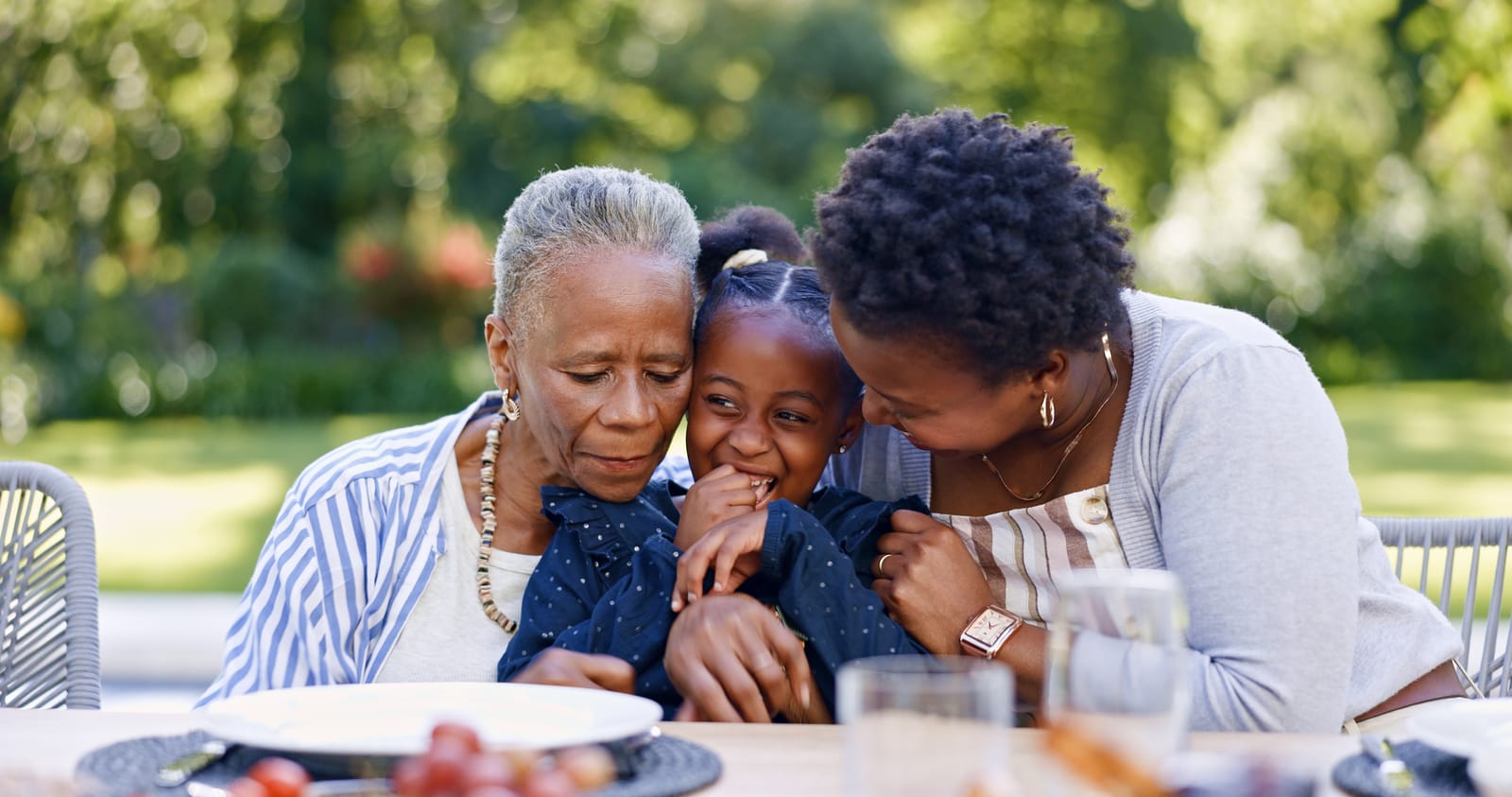
          randmother-mother-and-daughter-for-hug-in-garden-smile

          The Superwoman Syndrome: A Husband and Father’s Perspective

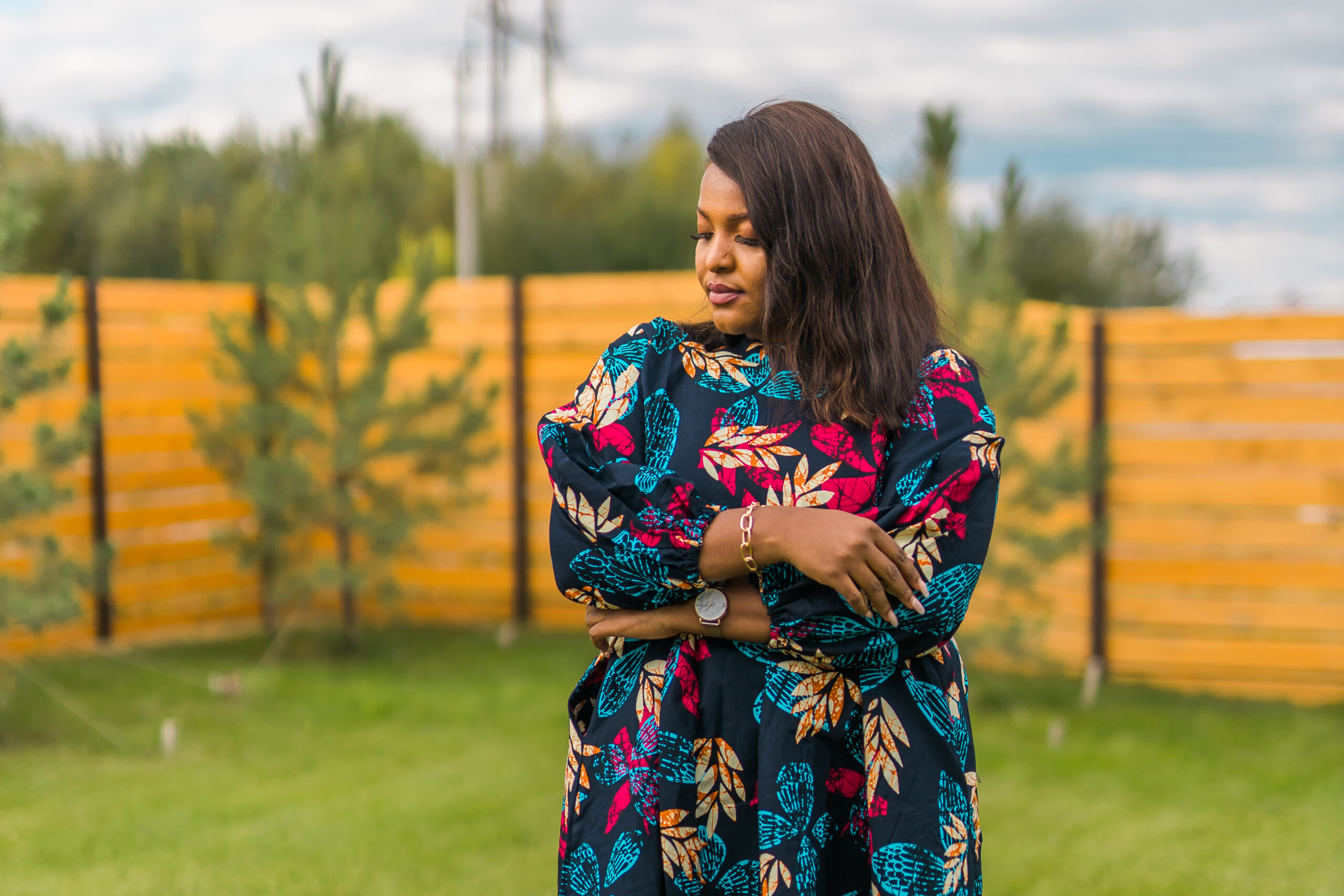
          I’m honored to share some thoughts on a topic that is deeply personal to me – the superwoman syndrome that so many black women face. As a husband and father, I’ve witnessed firsthand the immense strength and resilience of the black women in my life. But I’ve also seen the heavy toll it can take on their mental health and wellbeing.

          Before I dive in, I want to give a shoutout to the incredible black women who have shaped me into the man I am today. To my late grandmother who worked tirelessly as a single mom to provide for 9 of her children and 4 of her grandchildren. To my brilliant wife who juggles a thriving career while being a devoted mother to our kids. And to my three daughters who inspire me every day with their passion, intelligence and compassion. I am who I am because of the powerful black women in my village.

          So, let’s talk about this superwoman syndrome they face. On the surface, it may seem like a positive trait – the ability to take on any challenge, conquer any obstacle. Black women have had to be strong throughout history just to survive in a world stacked against them. That inner fortitude is ingrained in their DNA, passed down over generations. It’s something to be admired and celebrated.

          The Upside of Superwoman Strength

          I see the good side of the superwoman syndrome every day in my wife. She’s the glue holding our family together – working full-time, cooking, cleaning, taking care of her elderly uncle and his wife, all while making it look effortless. With a bright smile, she powers through 18-hour days without breaking a sweat. That resilience, that ability to carry the weight of the world on her shoulders with grace and poise, is awe-inspiring. It’s a testament to the legacy of powerful black matriarchs before her. My wife wears her superwoman cape with immense pride, and rightfully so. She’s my hero. I see that same superwoman spirit in my daughters. Even at their young ages, they radiate a fierce independence, confidence and grit that will serve them well as black women in this world. Watching them blossom into their own brand of superheroes brings me incredible joy and hope for the future.

          The Darker Side

          But as amazing as these superwomen are, the syndrome has an insidious darker side that we as a community cannot ignore. The relentless pressure to be strong at all times, to never show vulnerability or weakness, it’s slowly chipping away at their well-being. I see it in my wife’s eyes some nights after an exhausting day of giving her all to everyone else. She’ll plaster on a brave smile and insist she’s fine, brushing off any suggestion that she needs a break or some help. Because in her mind, being a superwoman means never faltering, never admitting you can’t handle it all alone. The mental load and emotional labor she carries is immense. Yet she bottles it up, determined to power through at all costs. It’s like she’s at war with herself – her superwoman persona battling her very human need for rest and self-care. And it’s not just my wife. I see it in the other black women in my life too – my mom, my sisters in law, my friends’ wives. This inability to let their guard down, to admit they’re struggling, it’s a point of toxic pride. A dangerous mindset that no one is invincible, that even the mightiest superheroes need a break sometimes.

          A Call for Balance

          So what’s the solution? How do we celebrate the superwoman strength of black women while also protecting their mental health? Well, it starts with finding balance. We need to redefine what it means to be a superwoman. It’s not about shouldering the entire world alone. It’s about knowing when to ask for help, setting boundaries, and prioritizing self-care just as much as caring for others. As a community, we have to create safe spaces for black women to be vulnerable, to take off their capes once in a while without fear of being seen as weak or inadequate.

          We need to uplift them, support them, and remind them that their value and worth isn’t defined by how much they can endure alone. It’s on us as husbands, fathers, brothers, and sons to step up and lighten the load. To take an active role in the household responsibilities and emotional labor so our superwomen don’t have to do it all. We have to be their village, their respite, their safe haven to recharge. And perhaps most importantly, we need to teach our daughters a more balanced definition of black woman strength from an early age. One that celebrates resilience and independence, but also prioritizes vulnerability, self-compassion and mental wellbeing. We have to break this cycle.

          A Superwoman’s Greatest Strength

          At the end of the day, the superwoman syndrome is a double-edged sword. The ability to persevere through any storm is a point of pride and inspiration. But carried to an unhealthy extreme, it can be incredibly damaging to black women’s mental health.True superwoman strength isn’t about shouldering the weight of the world alone. It’s about having the courage and wisdom to ask for help when you need it. It’s about setting boundaries and prioritizing self-care, even in the face of intense external pressures.It’s about surrounding yourself with a village that celebrates your resilience, while also reminding you that you’re human first. That resting, recharging and occasionally shedding the cape doesn’t make you weak – it gives you the power to soar even higher.

          So, to all the superwomen out there, please hear this. Your greatest strength isn’t in your ability to endure every burden alone. It’s in your willingness to be vulnerable, to admit when you’re struggling, and to lean on your village for support and respite when you need it most. We see you. We got you. And we’ll continue uplifting you to find that balance of strength and self-preservation. Because at your best, we’re all better. Happy Mother’s Day!

          The Importance of Mental Health Awareness: A Perspective from Mondy Dorsainvil

          Mental health is a topic that has long been shrouded in stigma and misunderstanding, but in recent years, there has been a growing movement to bring it into the spotlight. As we observe Mental Health Awareness Month this May, it’s crucial that we continue to shed light on this critical issue and empower individuals to prioritize their well-being. So, let’s dive into the importance of mental health awareness and the role we all can play in creating a more compassionate and supportive society.

          Normalizing the Conversation

          One of the biggest barriers to addressing mental health challenges is the persistent stigma that surrounds them. Too often, people struggling with mental health issues feel isolated, ashamed, or afraid to seek help. Why have you asked? The biggest stigma around mental health is the stigma itself. By normalizing the conversation and encouraging open dialogue, we can create an environment where individuals feel empowered to prioritize their mental well-being without fear of judgment or discrimination.

          Mental health is something we all have, just like physical health. And just like physical health, it’s something we need to take care of. By acknowledging the universality of mental health experiences, we can foster a more inclusive and understanding community, where seeking support is seen as a sign of strength rather than weakness.

          Addressing Systemic Barriers

          While the stigma surrounding mental health is a significant hurdle, it’s important to recognize that the challenges extend beyond individual attitudes. Systemic barriers, such as limited access to affordable and quality mental health services, can further exacerbate the problem. Mental health care is a luxury in many parts of the world. This disparity disproportionately affects marginalized communities, where the need for mental health support is often the greatest. By advocating for increased funding, improved insurance coverage, and the expansion of mental health resources, we can work towards a more equitable system that ensures everyone has access to the care they need.

          Embracing Diversity and Intersectionality

          Mental health experiences are deeply shaped by an individual’s unique identity, background, and lived experiences. By acknowledging the intersectionality of mental health, we can develop more nuanced and inclusive approaches to support and treatment. This means recognizing the ways in which factors like race, gender, socioeconomic status, and cultural background can influence an individual’s mental health journey. It also means amplifying the voices and experiences of marginalized communities, who have long been underrepresented in the mental health discourse.

          Fostering Resilience and Self-Care

          While addressing systemic barriers and dismantling stigma are crucial steps, it’s equally important to empower individuals to prioritize their own mental health. Self-care is not selfish. It’s necessary. By encouraging the adoption of healthy coping mechanisms, mindfulness practices, and self-care routines, we can help individuals build resilience and cultivate a deeper understanding of their own mental and emotional needs. This, in turn, can lead to more proactive and sustainable approaches to mental health management.

          The Power of Storytelling

          Throughout mt career, I’ve used my platform to share my own mental health journey, highlighting the importance of vulnerability and the power of storytelling. By opening up about my experiences with depression and anxiety, I have demonstrated the transformative impact that sharing one’s story can have. When you share your story, you give other people permission to share theirs. By amplifying diverse narratives and creating spaces for open dialogue, we can foster a greater sense of community, empathy, and understanding around mental health.

          Conclusion

          As we commemorate Mental Health Awareness Month, let us continue to normalize the conversation, address systemic barriers, embrace diversity, foster resilience, and amplify the power of storytelling, we can work towards a future where mental health is prioritized, supported, and celebrated. Remember, Mental health is not just about mental illness, it’s about our overall well-being, our ability to cope with the stresses of life, and our capacity to live fulfilling and meaningful lives. Let us all play a role in creating a more compassionate and mentally healthy world.

          1 … 5 6 7 8 9 … 12

          Search

          +